
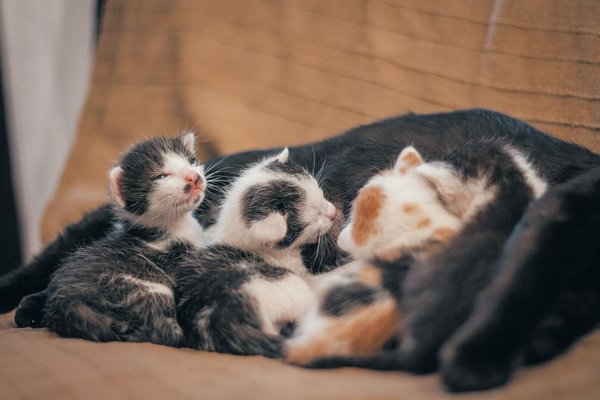
Most kittens are naturally inclined to bury their waste, so litter training is usually less about teaching a brand-new behaviour and more about making the right choice easy. A kitten that can find a clean, comfortable tray in a quiet place often learns quickly. The key is consistency: show your kitten where the tray is, offer it at likely toilet times, and treat accidents as useful clues rather than bad behaviour.
Set up the litter tray before training begins
Start with a tray your kitten can enter without climbing over a high edge. Very small kittens may do better with a low-sided tray at first, although they will need a larger one as they grow. The tray should eventually be roomy enough for the cat to turn around comfortably.
If you know what litter the kitten used with the breeder, foster carer or rescue centre, begin with the same type. Familiar texture and scent can make the new toilet area easier to recognise. Many cats prefer a soft, fine-grained, unscented litter. A depth of around 3 cm gives a kitten enough material to dig and cover.
Place the tray somewhere quiet, easy to reach and away from food and water. Avoid noisy appliances, busy hallways and corners where another pet could block the exit. In a larger home, an extra tray can prevent a young kitten from being caught too far away. In multi-cat homes, a common guideline is one tray per cat plus one extra, placed in separate useful locations.
How to litter train a kitten step by step
Introduce the tray calmly
When your kitten first arrives, keep their world manageable. A quiet starter room with a bed, food, water, toys and a litter tray makes it easier to learn where everything is. Keep the tray well separated from the feeding area. Gently place the kitten near or in the tray so they can investigate it, but do not hold them there or force them to dig.
Use natural toilet times to build the habit
Kittens commonly need the toilet after waking, after eating and during or after energetic play. At these times, guide your kitten toward the tray. Also watch for sniffing, circling, scratching at the floor or suddenly crouching. These behaviours can be your cue to calmly move the kitten close to the tray.
For example, if your kitten wakes from an afternoon nap, eats a small meal and then begins sniffing a corner, quietly place them beside the tray. Give them space and privacy. Repeating this routine for several days can make kitten litter training predictable rather than stressful.
Reward success without making a fuss
When your kitten uses the tray, let them finish undisturbed. Afterwards, gentle praise or a brief positive interaction is enough. There is no need for intense excitement, and you should never punish a kitten for getting it wrong. Litter tray training works best when the tray feels safe and ordinary, not associated with fear or restraint.
Keep the tray inviting
Cleanliness matters because cats are sensitive to smell and may avoid a heavily soiled tray. Remove urine clumps and faeces at least daily, and sooner when practical. Periodically empty the tray and wash it with hot water and a mild cat-safe cleaning product. Strongly scented cleaners can make the tray less appealing, and some household disinfectants are unsafe for cats.
Try not to make several changes at once. If you want to switch litter, move the tray or replace it with a different style, do so gradually. A kitten that suddenly faces a new location, new tray and unfamiliar litter may hesitate even if their kitten toilet training had been going well.
What to do about kitten accidents
Accidents are common during the first days in a new home. A kitten may be distracted, frightened, unable to reach the tray quickly enough or simply unsure where it is. Clean the area thoroughly with a pet-safe enzymatic cleaner so lingering odour does not encourage repeat toileting. Then consider what the accident is telling you.
If the kitten repeatedly chooses the same corner, placing a tray temporarily near that spot can help establish the correct surface. If accidents happen only when the kitten has access to the whole house, reduce their territory for a few days and expand it gradually once tray use is reliable. If they avoid stepping into the tray or leave immediately, the tray or litter may be uncomfortable.
Never rub a kitten’s nose in an accident, shout, spray water or place them in the tray as punishment. These methods do not explain what you want and can create anxiety around you or the toilet area. Calm redirection and a better setup are much more useful.
When accidents may need veterinary attention
A previously reliable kitten that suddenly stops using the tray may have more than a training problem. Contact a vet if you notice straining, repeated attempts to urinate, crying while toileting, blood, persistent diarrhoea, constipation, unusual thirst or a sudden change in toilet habits. Young kittens can become unwell quickly, so physical symptoms should not be dismissed as stubbornness.
Frequently asked questions
How long does it take to litter train a kitten?
Many kittens understand the basic idea within a few days, especially if they have already watched their mother use a tray. Others need longer while adjusting to a new home, litter type or routine. Consistent placement and easy access matter more than rushing the process.
Should I put my kitten in the litter tray after meals?
Yes, gently guiding your kitten to the tray after meals and naps can help because these are common times for toileting. Let the kitten leave if they do not need to go, and avoid forcing them to stay.
Why does my kitten pee next to the litter tray?
The tray may be dirty, too small, difficult to enter, poorly located or filled with a litter the kitten dislikes. Clean the area, check the setup and make changes one at a time. Repeated or sudden urination outside the tray should also be discussed with a vet.
Can I move the litter tray once my kitten is trained?
Yes, but move it gradually if possible. Shifting it a short distance at a time helps the kitten keep track of the toilet area. If you must move it farther, show the kitten the new location and temporarily keep access simple.
A simple routine usually wins
Successful kitten litter training comes down to dependable habits: provide an accessible tray, use comfortable litter, choose a quiet location, keep it clean and guide your kitten there at likely toilet times. When kitten accidents happen, adjust the environment instead of blaming the kitten. With a calm routine and a little observation, most kittens learn that the litter tray is the easiest and safest place to go.