
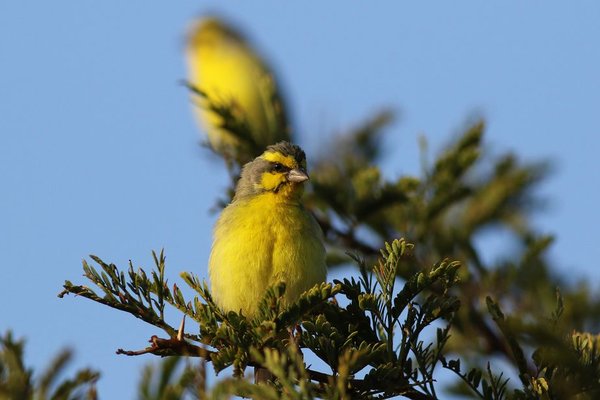
Canaries make different companions from parrots. They are delightful to watch and hear, but they rarely want the same hands-on interaction as a budgie or cockatiel. Their everyday needs centre on flying, foraging, bathing and feeling secure. A beautiful song is a bonus, not a substitute for good welfare.
This canary care guide for UK homes explains how to give these small finches appropriate food, housing, exercise and rest through the changing seasons.
Give your canary room to fly
When choosing canary housing, prioritise horizontal flight space over an ornate, tall cage. Canaries usually move by flying from perch to perch rather than climbing around bars. A generous flight cage or well-designed aviary is ideal; cramped decorative cages restrict natural movement. Choose secure doors, safe bar spacing and surfaces that are straightforward to clean.
Place natural wooden perches of varied thicknesses towards opposite ends of the enclosure, keeping the middle clear. Position food and water where droppings cannot fall into them. Avoid overcrowding the cage with swings and toys. An enclosure should allow the bird to stretch its wings and make real flights, not simply hop between accessories.
In a UK living room, place the cage in a calm, bright area with a wall behind it, away from draughty windows, radiators and fireplaces. Keep birds out of kitchens: cooking fumes, particularly from overheated non-stick coatings, are hazardous. When comparing products, think about choosing a bird cage for flight space rather than appearance alone.
Understand canary social behaviour
Some canaries can live in compatible groups when they have plenty of space. Others may become territorial, particularly males housed together. Do not assume a second bird is always necessary or that any two will get along. Watch for chasing, blocking access to food and persistent distress, and be prepared to separate incompatible birds.
Unlike a hand-tame parrot, a canary generally benefits more from a stable environment and bird-appropriate companionship than frequent handling. Consult an avian vet or experienced welfare adviser before introducing another bird.
Canary feeding: build a balanced menu
Seed mixes are popular, but feeding only seed risks nutritional deficiencies. Good canary feeding combines an appropriate formulated pellet diet with a smaller proportion of seeds and suitable fresh greens. If your bird has eaten only seed for years, change foods gradually under avian veterinary guidance; small birds must not be allowed to go hungry during a transition.
Food and water basics
Offer washed leafy vegetables such as kale or appropriate salad greens in small amounts, alongside a balanced main diet. Introduce unfamiliar foods gently and remove leftovers before they spoil. Clean water must be available constantly, with the dish washed daily. Check seed bowls carefully: empty husks can make them look full when little edible food remains.
Avoid avocado, chocolate, alcohol, caffeine, salty snacks and seasoned foods. Canaries remove seed husks themselves, so they do not routinely need gravel grit. Ask your vet whether calcium or other supplementation is appropriate, especially for an egg-laying female. For more feeding ideas across species, the principles behind feeding small pet birds can be useful, provided species differences are respected.
Set a steady daily routine
Consistency makes caring for canaries easier. Each morning, refresh food and water, check the bird’s activity and breathing, and remove soiled lining. Offer a small portion of fresh greens. During the day, provide time and space for flying and exploring without disturbing the bird repeatedly.
Imagine a canary living beside a home office. It may become active with the morning light, investigate greens secured near a perch, enjoy a shallow bath and settle as evening approaches. This natural rhythm is more meaningful than tapping the cage to prompt a song or moving it around the house for entertainment.
Bathing, hygiene and feather care
Many canaries enjoy a shallow bath with clean, room-temperature water. Offer one regularly, preferably early enough for feathers to dry before nightfall, but never force bathing. Wash the bath after use. Replace dirty cage lining frequently, clean dishes daily and thoroughly wash perches and the enclosure as needed.
Use bird-safe cleaning products, rinse well and keep the bird away from cleaning fumes. Moulting naturally changes the appearance of feathers and may affect singing; bald patches, persistent scratching or skin irritation deserve veterinary attention.
Protect sleep and manage UK weather
Canaries need a dependable day-and-night cycle with a quiet, dark period for sleep. A cage beside a late-night television or bright lamp can disrupt that routine. Do not artificially extend daylight simply to encourage singing; seasonal light changes are part of their biology.
In winter, prevent cold draughts and sudden changes in room temperature while keeping the cage away from direct radiator heat. If you use an outdoor aviary, provide weatherproof shelter and robust protection from predators and contact with wild birds. Check current UK avian influenza guidance before establishing outdoor accommodation.
Make exercise and enrichment safe
Flying is a core need, not an optional extra. A roomy aviary offers choice, while indoor birds need an appropriate secure flight area outside any small cage. Before supervised indoor flights, shut doors and windows, cover large mirrors, switch off ceiling fans, keep pets away and remove open water or hot surfaces.
Enrichment can be simple: safe natural perches, occasional changes to their positions and tiny portions of greens offered in different accessible places. Make changes gradually rather than rearranging everything at once. Planning bird-safe indoor flight spaces is especially helpful in flats and smaller UK homes.
Notice health problems early
Birds often hide illness, so learn what is normal for yours. A canary that remains puffed up, sits on the cage floor, eats less, breathes with difficulty or produces noticeably unusual droppings needs prompt advice from an avian vet. A quieter song on its own can reflect moulting or season, but silence combined with other changes is concerning.
Arrange access to a bird-experienced vet before an emergency. A quick daily look at posture, appetite and droppings makes it easier to recognise signs of illness in pet birds before they become severe.
Frequently asked questions
Are canaries suitable for first-time bird keepers?
Yes, if you prefer a bird to observe rather than handle. Beginners must still provide generous flight space, appropriate nutrition, cleaning and veterinary care.
Can a singing canary be happy in a small cage?
Singing does not prove its housing is adequate. Canaries need sufficient room for natural movement and exercise, even when they appear cheerful.
How often should a canary bathe?
Offer a fresh, shallow bird bath regularly and let the canary choose whether to use it. Many birds enjoy frequent baths, especially in dry indoor conditions.
Why might a male canary stop singing?
Moulting, seasonal changes and stress may reduce song. Seek veterinary advice if reduced singing accompanies low energy, appetite changes or breathing problems.
Keep daily needs at the centre
Good canary care is less about teaching tricks and more about protecting ordinary bird behaviour. A thoughtful UK setup provides space to fly, balanced meals, clean bathing water, restful nights and a stable environment. Observe your canary closely, and you will become better at meeting its needs whether it sings constantly or spends a quiet afternoon among its perches.