
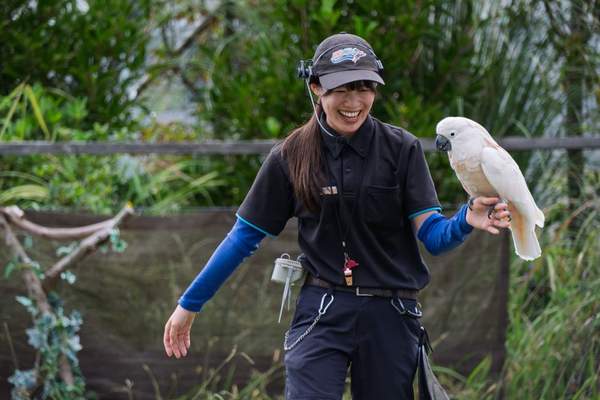
Parrots are extraordinary housemates, but they are not low-maintenance pets. A healthy bird needs more than food and a clean cage: it needs room to move, opportunities to investigate, company and a daily rhythm it can trust. This parrot care guide for UK owners explains what that looks like in an ordinary home, from a winter morning to a busy family evening.
There is no single routine for every parrot. Budgies, cockatiels, African greys and macaws differ in size, diet, temperament and lifespan. Begin with your species’ needs, then establish a routine you can maintain on weekends and holidays too.
Build a daily routine around the bird
A predictable parrot daily routine makes feeding, flying and resting easier. Check your bird before breakfast: is it alert, moving normally, breathing comfortably and producing its usual droppings? Learn what is normal rather than waiting for obvious illness.
Provide fresh water, appropriate morning food and a chance to forage. Schedule generous out-of-cage activity and social contact throughout the day. In the evening, remove uneaten fresh food, tidy the enclosure and reduce household noise before bedtime.
For example, a family with a cockatiel might prepare vegetables before school, offer foraging activities during the morning, arrange several substantial indoor flight sessions and settle the bird somewhere peaceful before the television gets loud. The timetable matters less than meeting its needs consistently.
Feed a balanced, species-appropriate diet
For many companion parrots, nutritionally complete pellets alongside washed vegetables and some fruit are better foundations than mixed seeds. Seed-heavy diets can be excessively fatty and lack important nutrients. The RSPCA advises limiting seeds and nuts for many species, although smaller parrots may need a modest daily seed allowance.
Broccoli, carrots, peas and suitable leafy greens provide variety. Offer fruit in smaller portions and remove leftovers before they spoil. Always supply clean water. Never offer avocado; it is toxic to parrots. Keep chocolate, alcohol and caffeinated drinks away too.
Species exceptions matter: lorikeets need specialist nectar-based feeding. If your bird currently eats mostly seeds, do not abruptly remove familiar food. Ask an avian vet about a gradual transition while monitoring weight and droppings. See also our guide to healthy parrot foods and feeding routines.
Make housing spacious, safe and interesting
A cage should be a secure resting and feeding area, not the bird’s entire world. Choose enough usable width and depth for full wing movements, appropriate bar spacing and uncluttered perches. Natural, bird-safe wooden perches of varied diameters help exercise feet; position them away from food and water bowls.
Keep the enclosure away from draughts, radiators, cooking fumes and busy doorways. During a UK winter, a stable indoor environment is preferable to alternating cold window draughts and intense central heating. Outdoor aviaries require proper weather protection and secure entrances.
Airborne hazards deserve particular care. Overheated PTFE non-stick coatings can release fumes deadly to birds. Avoid using them around parrots, and keep birds away from kitchens, scented sprays, smoke and strong cleaning chemicals.
Prioritise flying, movement and safe exploration
Flight is fundamental to parrot care. The RSPCA recommends at least six hours a day out of the cage for indoor-caged pet birds, with opportunities to fly, interact and play. That is a serious daily commitment, not an occasional treat.
Bird-proof the room first. Shut windows and external doors, make large glass surfaces visible, switch off ceiling fans, remove dangerous plants and block access to electrical cables and open water. Supervise children and other pets. Birds unable to fly need accessible environments designed for their mobility.
Training a reliable step-up and recall with rewards helps keep exploration safer without forcing handling. Our guide to teaching a parrot to step up offers a useful next step.
Provide enrichment that changes with the bird
Parrots naturally spend time searching for food, manipulating objects and making choices. Identical hanging toys cannot reproduce that experience. Rotate safe chewable materials, puzzle feeders, climbing opportunities and simple foraging activities. Introduce unfamiliar objects gradually.
Try hiding pellets inside folded bird-safe paper or a clean cardboard tube, then watch your parrot investigate. Remove toys with loose fibres, sharp edges or swallowable parts. Some birds enjoy gentle misting or bathing; offer a choice instead of forcing it.
Enrichment is also behavioural care. Persistent screaming, repetitive movements or feather damage should prompt a review of housing, company and health rather than punishment. Our guide to parrot enrichment ideas can help you keep activities varied.
Respect sleep and social needs
Birds need quiet, predictable rest away from late-night television, flashing screens and household traffic. Keep bedtime and morning light reasonably consistent, adjusting for species and asking an avian vet about troubling sleep or hormonal behaviour.
Many parrots are highly social. Daily conversation, shared activities and positive training matter, but human attention does not always replace suitable bird companionship. Some flock-living species do well with compatible companions, while larger parrots may require separate enclosures even when friendly. Introductions must be cautious.
Learn your bird’s body language. A hesitant bird should be allowed to move away; biting can signal that its boundaries were ignored. Reward calm cooperation instead of grabbing, chasing or shouting.
Clean regularly and plan for veterinary care
Change water and wash soiled food dishes daily. Remove droppings, wet substrate and discarded produce promptly. Clean the enclosure thoroughly on a regular schedule with bird-safe products and careful rinsing. Wash hands after handling equipment or waste.
Find an experienced avian vet before an emergency and arrange routine reviews. Birds can hide illness. Reduced appetite, unusual droppings, prolonged fluffed-up posture, weakness or breathing changes need prompt professional advice. Open-mouth breathing, collapse or serious injury require urgent veterinary attention.
Keep a record of weight, appetite, droppings and behaviour. It can expose subtle changes, especially in a bird with consistent daily habits.
Frequently asked questions
Can a parrot live happily in a cage all day?
No. Even a spacious cage cannot replace exercise, flight, social contact and exploration. Plan substantial safe activity outside it daily, or reconsider whether your home can meet the bird’s welfare needs.
What should I feed my pet parrot each day?
Most companion parrots benefit from suitable complete pellets, fresh vegetables, some fruit and clean water. Exact proportions vary by species; specialist feeders need different diets. Check changes with an avian vet.
How do I keep a parrot comfortable during a UK winter?
Prevent draughts and sudden temperature changes, avoid placing the cage against radiators and maintain a steady indoor environment. Outdoor birds need properly designed shelter suited to their species.
How do I know if my parrot is bored or unwell?
Boredom can involve repetitive behaviour or excessive calling, while illness may cause appetite, posture, droppings or breathing changes. Because symptoms overlap, seek veterinary assessment for new or persistent problems.
A good routine is one you can sustain
The foundations of pet parrot needs are simple to describe but demanding to deliver: suitable nutrition, spacious housing, daily flight, enrichment, companionship, rest and healthcare. Review your approach whenever your bird’s behaviour, health or household changes. The reward is a more confident bird with real opportunities to live well.