
Choosing between horse bedding types is not simply a matter of buying the cheapest bale. A bed that feels soft on day one may be dusty when disturbed, expensive to maintain or awkward to dispose of. The best horse bedding keeps the stable dry and comfortable without compromising air quality, while suiting the horse’s habits and the yard’s routine.
Here is a direct comparison of straw, shavings, pellets and alternatives, including the trade-offs that become noticeable after a week of mucking out.
Horse bedding types at a glance
Straw is economical and springy, but usually less absorbent than processed alternatives. Poor batches may contain dust or mould.
Dust-extracted wood shavings cushion well and make wet patches relatively easy to find. Quality varies, and disposal can be slower than straw.
Wood and straw pellets offer concentrated absorbency in compact bags, although texture, preparation and dust levels differ between products.
Hemp and flax can absorb moisture efficiently with modest waste, but local availability and bag prices may be drawbacks.
Shredded paper and cardboard can suit dust-conscious yards, yet some products become heavy or messy when wet.
Rubber mats form a supportive base, not an absorbent bed. They normally need bedding on top for urine control and comfortable resting.
Straw vs shavings for horses
Straw: generous bedding at a modest price
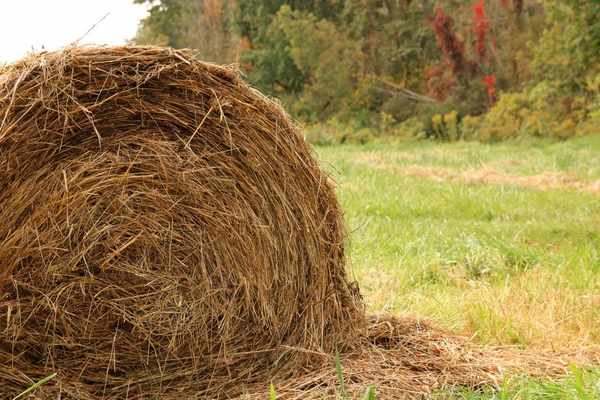
Clean wheat, oat or barley straw makes a springy bed, particularly when laid deeply enough for resting. Horses often enjoy lying on it. Straw generally composts more readily than woody bedding, and its purchase price can be attractive near arable farms.
Its weaknesses are moisture management and variable quality. Straw tends to let urine reach the stable base rather than holding it in one small patch, potentially increasing muck-heap volume. Reject damp, musty or mouldy bales. Some horses eat their straw bedding, making it unsuitable when excessive consumption is a concern.
Wood shavings: tidy mucking out when quality is right
Purpose-made, dust-extracted shavings create a soft bed with identifiable wet patches. Droppings can often be removed without disturbing much clean bedding. Bags may cost more than straw, however, and wood-rich muck heaps can take longer to decompose.
Not every shaving product qualifies as low dust bedding. Fine particles and poor storage can irritate airways. Choose equine-grade material rather than workshop waste, and avoid unknown wood species, treated timber or contaminated offcuts.
Horse bedding pellets: compact and absorbent
Wood pellets consist of compressed fibres that expand or break down as they absorb moisture. Some brands recommend lightly dampening the initial bed, while others give different preparation instructions. Follow the label and ensure the finished surface is comfortable, not hard underfoot.
Pellets store neatly and can allow concentrated wet patches to be removed, reducing waste. Their respiratory performance is not guaranteed: studies have found that some pellet beds produce airborne particles as horses move around. Check the actual bedding after use rather than assuming a dust-free label tells the whole story.
Straw pellets are another absorbent option and may produce less dust than loose straw, depending on processing. In both cases, calculate weekly usage rather than judging cost by the price of one bag.
Hemp, flax, paper and cardboard alternatives
Hemp and flax are plant-fibre materials that can absorb wet patches without creating a bulky bed. They are worth considering where storage space or muck-heap volume matters. Before changing the whole stable, check texture, dust, availability and whether the supplier delivers reliably.
Clean, appropriately processed shredded paper can be comfortable and comparatively low in dust. Wet clumps, shifting bedding and awkward disposal are possible disadvantages. Cardboard products differ in cut and absorbency, so trying a sample is more useful than relying on general claims about the material.
Reject bedding containing staples, plastic, mould or unfamiliar additives. Check whether your waste contractor accepts processed paper or cardboard mixed with manure.
Which material is best for dust, moisture and comfort?
Keep stable air clean
For horses with asthma or recurring coughs, prioritise genuinely low-dust material, clean forage and effective ventilation. Dust often rises while spreading bedding or mucking out, so move the horse away during those jobs where practical. No bedding compensates for mouldy hay or a badly ventilated box. Ask a vet about persistent respiratory signs.
Look beneath the dry surface
High absorbency does not guarantee hygiene if wet patches remain underneath. Concrete floors, drainage, rubber mats and the horse’s usual urination corner all change the outcome. Check for dampness and ammonia smells near floor level, not just from the doorway.
Provide enough depth for resting
Thin bedding over concrete can discourage lying down, whatever its material. Rubber mats may help with grip and cushioning but do not absorb urine. Watch for bare patches, shifting bedding and whether the horse appears comfortable lying down and getting up.
Compare total cost and disposal over a week
Consider two horses in identical boxes. One urinates in a single corner; the other churns bedding into the droppings. Their weekly consumption of the same shavings or pellets may differ greatly. Equally, cheap straw may become costly if it fills the muck trailer quickly.
Run a seven-day comparison before ordering in bulk. Begin with the recommended bed depth, then record bags or bales added, mucking-out time, the quantity of wet bedding removed and the space taken on the muck heap. Notice dust when the bed is disturbed and whether the horse rests comfortably. This small experiment is more informative than advertised absorbency figures alone.
Disposal changes the calculation. Straw-based manure commonly composts more readily, whereas shavings may break down slowly. Hemp, flax and paper need their own disposal checks. Confirm collection rules before committing to a material and keep fresh supplies dry in storage.
Related stable-care reading includes daily stable cleaning routines, reducing dust in horse stables and choosing safe stable flooring.
Frequently asked questions
What is the best horse bedding for a horse with breathing problems?
Clean, consistently low-dust bedding is usually the priority. Suitable processed shavings, paper or specialist fibres may work, but no product guarantees dust-free air. Forage, ventilation and mucking-out practices also matter.
Is straw or shavings cheaper for horses?
Straw often costs less per bale, especially near farms. Shavings can produce less waste and require fewer top-ups. Compare a full week’s consumption, labour and disposal charges.
Do horse bedding pellets need water before use?
Some wood-pellet products recommend moistening the starting layer to encourage expansion; others do not. Follow the manufacturer’s directions and check the texture after the horse has used the bed.
Can rubber mats replace bedding completely?
Usually not. Mats do not absorb urine and can become wet or slippery. Most stabled horses still benefit from an adequate, comfortable, absorbent bedding layer.
Make the choice that works every morning
No material wins on dust, absorbency, comfort, cost and disposal simultaneously. Straw can suit budgets and horses that enjoy a deep bed; quality shavings simplify daily cleaning; pellets and plant fibres may reduce wet waste. Let your horse’s health, stable floor and weekly trial decide, then keep the bed dry and well maintained.