
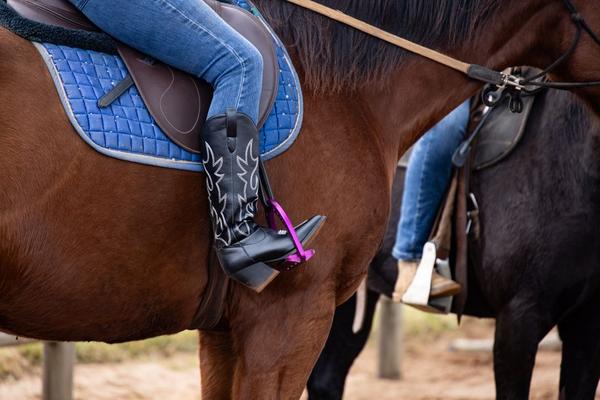
A horse can feel a rider close one calf, shift in the saddle or change the feel of the reins. Those signals become useful only when they are clear and consistent. Horse riding aids are the language riders use to request movement, direction, balance and changes of pace. The goal is not to make every instruction stronger; it is to help the horse understand a quieter request.
The main natural riding aids are the seat, legs and hands, supported by weight, body position and voice. They work together rather than as separate buttons. Understanding when to ask and when to release makes everyday riding smoother for both horse and rider.
Think of Aids as a Conversation
A useful sequence is to prepare, ask, notice the response and soften. A light calf pressure, for example, may ask a horse to walk forward. Once the horse steps on, the rider relaxes that pressure while staying balanced. Continuing to squeeze after the response risks making the signal meaningless.
No cue has a universal meaning independent of training. Horses can respond differently according to their education, experience and physical comfort. A qualified instructor can help match your aids to the horse you ride.
Seat Aids: Balance, Rhythm and Movement
The seat includes the pelvis, core and the ability to follow the horse’s motion without gripping. Effective seat aids help regulate rhythm, prepare transitions and support a halt. They should feel controlled rather than like pushing or bouncing in the saddle.
At walk, allow your hips to follow the movement. To prepare to slow, grow taller, steady your core briefly and make your seat quieter without bracing your back. For a forward transition, stay balanced as your legs ask for more energy. Your hands must not accidentally block that movement.
Weight Aids Are Not Big Leans
Your weight distribution affects the horse even when you are unaware of it. Looking toward a turn and aligning your shoulders and hips with the intended path supports the other aids. Leaning heavily inward can unbalance the horse. Aim to sit centrally with a secure, supple seat and even weight distribution.
Leg Aids: Asking for Energy and Direction
Leg aids in horse riding ask for forward movement, but they also help influence straightness and sideways steps. Closing both calves near the girth commonly requests more energy. A leg positioned farther back may influence the horse’s hindquarters, depending on its schooling.
Timing matters more than constant pressure. Give a brief, understandable request, then let the horse maintain the response without nagging each stride. If nothing happens, first check your balance and rein contact rather than automatically squeezing harder.
Try a Walk-to-Trot Transition
On a straight track in a safe, enclosed arena, establish an active walk. Look ahead, keep your hands following the movement and apply a clear calf aid for trot. As the first trot steps arrive, soften the leg and follow the new rhythm. If your hands tighten while your legs ask for forward movement, you send conflicting messages. An instructor can help spot this from the ground.
Hand and Rein Aids: Guiding Without Pulling
Rein aids communicate through the hands and their connection to the horse’s mouth or fitted headgear. With a bit, the aim is elastic contact that follows the head and neck. Keep your elbows responsive and fingers relaxed. Abrupt or prolonged pressure can be uncomfortable with either bitted or bitless equipment.
A brief closing of the fingers may help regulate pace when coordinated with the seat and legs. An opening rein can clarify direction for a learning horse, while other rein aids help manage alignment. Pulling sharply on one rein does not produce a balanced turn.
What Happens on a Circle?
Imagine riding a large circle at walk. Look along the curve and stay centered. The inside leg encourages forward movement around the bend; the outside leg helps control the quarters. The inside rein may request slight flexion, while the outside rein helps regulate the shoulders. The goal is a smooth curve, not a horse whose neck turns while its body drifts away.
Voice Aids: Simple Words, Consistent Meaning
A familiar word or gentle sound can reinforce a transition or reassure a horse, especially during early training. Use a consistent cue, and avoid constant chatter. Voice supports rather than replaces clear physical aids. Competitive rules vary; in dressage tests, use of the voice can be penalized.
How the Aids Work Together
Transitions show why coordination matters. To move from trot to walk, sit in balance, quiet your seat and use a brief, appropriate rein request while keeping the legs available to support an active walk. Soften when the horse responds. For an upward transition, prepare your position, ask with the legs and allow movement through the hands.
A half-halt is a brief rebalancing signal before a turn or transition. It combines the seat, leg and a momentary containing influence through the hands, followed by release. It is not simply pulling back until the horse slows. Timing takes practice, and feedback from a coach helps.
Build Clearer Signals One Ride at a Time
Begin in a neutral position: quiet lower legs, shoulders above hips and hands carried without leaning on the reins. Practise one simple request at a time. Look for a response to the lightest clear cue, then relax the requesting pressure. Rewarding the right answer makes future aids easier to understand.
Notice what happens between requests, too. Unsteady hands, gripping knees or a crooked seat can send accidental signals. If a normally willing horse becomes tense, reluctant or uneven, consider pain, tack fit or another physical problem rather than assuming disobedience. Seek appropriate professional advice when needed.
Useful related skills to explore include correct riding position, walk-to-trot transitions and how to ride a half-halt. Each develops the same foundation: independent body parts working toward one understandable message.
Frequently Asked Questions
What are the four main riding aids?
Riders often name seat or weight, legs, hands or reins, and voice. Some teaching systems group weight with the seat and distinguish these natural aids from artificial aids such as a whip or spurs.
Which aid should a beginner learn first?
Balance and an independent seat come first because an unstable rider can create accidental leg and rein signals. Simple forward, turning and stopping aids can then develop together under supervision.
Should I squeeze harder if my horse ignores my leg?
Not automatically. Check that the horse understands, your position is balanced and your hands are not blocking movement. Repeated squeezing may dull the cue. A coach can assess the cause.
Can I steer using only the reins?
Reins help guide direction, but effective turns also depend on your gaze, alignment, seat and legs. Working together, these aids support the horse through the curve instead of merely bending its neck.
Clear Riding Starts With Listening
The best aids are often barely visible because a horse responds to small, well-timed requests. Use your seat for balance, legs for energy, hands for guidance and voice thoughtfully. Most importantly, notice the response and release pressure when the horse understands. That exchange creates confident, considerate riding.