
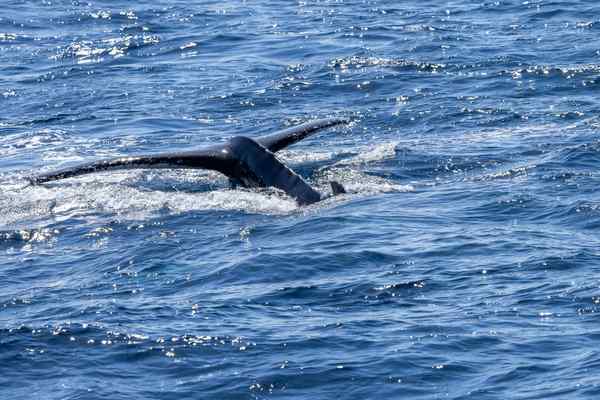
A humpback whale feeding off Alaska in summer may spend winter thousands of miles away near Hawai‘i. Along the Pacific coast, gray whales journey between Arctic feeding areas and the sheltered waters of Baja California. These trips are not aimless wandering. Whale migration routes connect places that meet different needs at different times of year.
The familiar picture is simple: eat in cold waters, breed in warm ones. That describes many baleen whales, but food supplies shift, calves need protection, and each species follows its own seasonal rhythm.
Why Whales Travel Such Long Distances
For many whales, the best place to find food is not the best place to give birth. High-latitude seas often become productive during spring and summer, when sunlight and nutrients support blooms of plankton. Krill, small fish and other prey gather in concentrations that can sustain whales.
As seasons change, some whales leave these productive whale feeding grounds for lower-latitude areas used for mating and calving. Warmer, sometimes more sheltered waters may benefit newborn calves, which have less insulating blubber than adults. Scientists are still investigating the relative importance of temperature, predator avoidance and other factors in shaping breeding destinations.
Migration involves an energy trade-off. Some baleen whales feed heavily before departure and rely substantially on stored fat during the journey and breeding season. A long swim can be worthwhile when it allows adults to use abundant seasonal food while giving calves a different environment for their earliest weeks.
What a Whale Migration Route Actually Looks Like
A migration route is rarely a narrow, unchanging line. Scientists distinguish feeding areas, breeding or calving grounds, and the corridors whales use between them. Individuals may travel close to shore, cross deep ocean or pause where food is available. Timing and paths can vary with age, sex, reproductive status and environmental conditions. Maps often show broad arrows because they combine sightings from many whales, not because every animal follows identical coordinates.
Famous Whale Migration Routes Around the World
Humpbacks: Alaska to Hawai‘i and Beyond
North Pacific humpback whales provide a classic example. Many feed in nutrient-rich northern waters around Alaska and British Columbia, then migrate to winter breeding areas near Hawai‘i, Mexico or Central America. NOAA Fisheries reports that some humpbacks travel roughly 3,000 miles between Alaska and Hawai‘i, sometimes completing the journey in less than a month.
Gray Whales: Along North America’s Pacific Coast
Eastern North Pacific gray whales are especially visible because much of their whale migration follows the coastline. Many spend summer feeding in the Bering and Chukchi seas, then head south toward Baja California, Mexico, where sheltered lagoons serve as important wintering and calving areas.
The round trip can cover about 12,000 miles, although distance varies. Some gray whales feed farther south along the Pacific coast rather than traveling all the way to Arctic feeding grounds. Mothers with calves may move more slowly on the northbound journey, illustrating why migration schedules differ within a species.
North Atlantic Right Whales: A Changing Coastal Pattern
Some North Atlantic right whales travel from feeding habitats off New England and Canada to calving waters off the southeastern United States, particularly near Georgia and Florida. Yet not every right whale makes that full journey, and whales can occur in northeastern and mid-Atlantic waters outside a simple summer-versus-winter timetable. Busy shipping lanes and fishing activity overlap their habitats, complicating protection.
How Do Whales Find Their Way?
Scientists do not have a complete navigation manual for whales. Evidence suggests they may combine several kinds of information rather than rely on a single built-in compass. Ocean conditions, familiarity with feeding and breeding regions, and cues carried over long distances may all contribute.
Possible Navigation Cues
Earth’s magnetic field is one candidate. Some research has found patterns consistent with magnetic sensitivity in migrating whales, but exactly how they might detect or use that information remains uncertain. Underwater sound may help animals maintain contact and perceive their surroundings, while currents, temperature and seafloor features can offer additional environmental information.
When Is the Best Time to See Migrating Whales?
Location matters as much as month. Along California, southbound eastern gray whales are commonly watched in winter, while northbound movement extends through spring; mothers and calves may appear later than other travelers. Around Hawai‘i, humpback sightings are associated mainly with the winter breeding season. In Alaska, feeding humpbacks are especially associated with warmer months.
For a practical viewing plan, choose a local migration lookout or licensed whale-watching operator, then check recent sightings and regional wildlife guidance before traveling. Local whale watching seasons are more useful than a single worldwide migration chart. Watch from a respectful distance and never steer a vessel across a whale’s path.
What Researchers Learn From Following Whales
Satellite tags can reveal stretches of an animal’s journey, while photo-identification uses distinctive markings to recognize returning individuals. Acoustic monitoring detects vocalizing whales even when they are not visible at the surface. These methods complement one another: a tag can stop transmitting, a photograph captures one encounter, and sound recordings do not always identify individuals.
Such records clarify cetacean routes and reveal where conservation measures could reduce harm. Understanding humpback whale behaviour and marine mammal communication also offers clues about what animals do between destinations.
Why Migration Routes Are Becoming Harder to Protect
Whales cross national boundaries and pass through waters used by commercial vessels, fishing fleets and offshore industries. Ship strikes, entanglement in fishing gear and underwater noise create hazards along otherwise successful journeys.
Climate-driven changes in ocean temperature and prey distribution may shift feeding opportunities and whale movements. Not every population responds alike, so flexible monitoring is crucial. Protecting one calving bay without considering travel corridors and feeding habitat leaves important parts of the life cycle exposed.
Frequently Asked Questions
Do all whales migrate?
No. Many baleen whale populations make long seasonal movements, but migration patterns vary widely. Some individuals remain in particular regions, and many toothed whales do not fit the classic cold-water feeding and warm-water breeding pattern.
How far can a whale migrate?
Distances depend on species and population. Some humpbacks travel thousands of miles between seasonal habitats, while eastern North Pacific gray whales can cover roughly 12,000 miles on a round trip between northern feeding areas and Mexico.
Why are whale breeding grounds often in warm water?
Warm or sheltered habitats may offer advantages for newborn calves and nursing mothers. Temperature is not the only possible explanation; protection from predators and other ecological factors may also influence the location of whale breeding grounds.
Do whales follow the same route every year?
Some whales return repeatedly to familiar destinations, but their exact paths and timing can change. Food availability, ocean conditions and individual circumstances influence the journey, which is why researchers describe migration corridors rather than perfect lines.
The Ocean Is Connected by Whale Journeys
Whale migration routes reveal how distant marine habitats depend on one another. A productive northern feeding season can support a whale’s journey to a breeding area thousands of miles away, and a calf born in sheltered water may later return north beside its mother. Following these movements helps explain whale behaviour and shows why conservation must work across the entire route, not just at either end.