
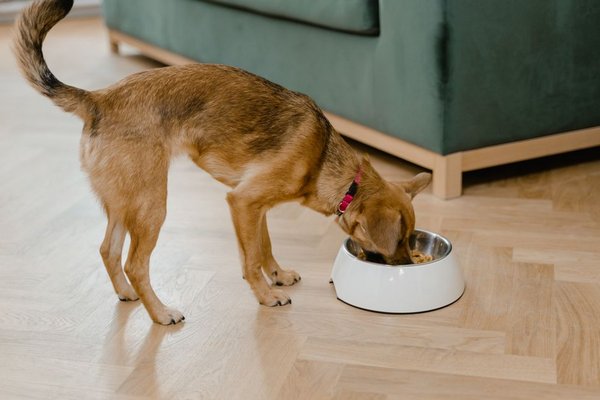
Choosing the best puppy food UK owners can buy in 2026 is less about chasing the most expensive bag and more about finding a complete diet that suits your puppy’s size, digestion and expected adult weight. Many owners now compare cost per day and feeding results rather than buying on impulse, provided nutrition comes before marketing.
A good puppy food should be labelled “complete” and suitable for growth or the puppy life stage. This means it is designed to provide the nutrients a growing dog needs when fed according to the instructions. Breed size matters too: a Chihuahua puppy and a Great Dane puppy grow at very different rates, so the right formula is not always the same for both.
What makes a puppy food a strong choice?
Start with the label rather than the front-of-pack slogans. Look for a complete commercial puppy food from a manufacturer that can explain who formulates its diets, how quality is controlled and whether the product follows recognised nutritional standards. The ingredient list alone does not tell you whether a food is well formulated or digestible.
The best option is also one your puppy eats happily, digests well and maintains a steady, healthy growth pattern on. Persistent diarrhoea, vomiting, poor appetite, excessive itching or unexpected weight change should be discussed with a vet rather than managed through repeated food switching.
Best puppy food brands to compare in the UK
Royal Canin: strong breed-size choice
Royal Canin is useful for owners who want clearly separated mini, medium and maxi puppy ranges. Its small breed puppy food is designed around smaller mouths and the faster growth pattern of compact dogs, while its large-breed formulas are intended for puppies with a longer growth period. The range is broad, though often premium-priced.
Purina Pro Plan: broad range for different needs
Purina Pro Plan offers complete puppy recipes across small and mini, medium, and large-breed categories. This makes it easier to match the food to expected adult size. It is widely available, but compare feeding quantities as well as bag price.
Hill’s Science Plan: straightforward science-led option
Hill’s Science Plan provides complete puppy foods, including small and mini and large-breed products, plus wet options. It suits owners wanting clearly defined life-stage ranges, though affordability still matters.
Eukanuba: practical size-specific dry food
Eukanuba is another established choice with puppy formulas divided by breed size. Its dry range offers practical storage and measurable portions. Check the exact age and expected adult-weight guidance on the pack because transition timing varies between products.
Harringtons: value-focused everyday feeding
Harringtons is commonly considered by households seeking a more budget-conscious complete puppy food. Its standard recipes can cost less per day than specialist ranges. It may not provide the same depth of breed-size segmentation, so owners of giant breeds or puppies with medical needs should seek individual veterinary advice.
Choosing food by breed size
Small breed puppies
Small dogs usually reach adulthood sooner and may need energy-dense food in appropriately sized pieces. A small breed puppy food can make chewing easier and provide feeding guidance suited to lower adult weights. Several small meals are usually easier for tiny puppies.
Medium breed puppies
Medium-sized puppies often have the widest choice. A standard complete recipe may suit them, but owners should still monitor body shape and growth. Feeding charts are starting points, not guarantees.
Large and giant breed puppies
Large breed puppy food UK ranges deserve particular attention because rapid or excessive growth can place unnecessary strain on developing joints. Choose a complete food specifically formulated for large or giant puppies and avoid adding calcium or vitamin supplements unless a vet has prescribed them. Supplementing an already complete diet can disturb its nutritional balance.
Wet vs dry puppy food
The wet vs dry puppy food debate has no single winner. Complete wet food is often highly palatable and adds moisture, which can help puppies that are reluctant drinkers. However, it usually costs more and must be stored carefully once opened.
Dry food is convenient, easy to weigh and generally more economical. Kibble can be used for training if taken from the daily allowance. Some families use mixed feeding for variety, but both products should be complete and the combined quantity must be adjusted to avoid overfeeding.
Allergies, sensitive stomachs and grain-free claims
Loose stools after moving home are not automatically a food allergy. Stress, parasites, infections, treats and sudden dietary changes can all affect digestion. Keep your puppy on the breeder’s existing food at first, then change gradually over roughly seven to fourteen days unless your vet advises otherwise.
Do not choose grain-free food simply because it sounds healthier. Most puppies do not require it, and suspected food allergy should be investigated with veterinary guidance. Proper diagnosis may involve a controlled elimination diet rather than trying several puppy food brands at random.
How to compare value without compromising nutrition
Compare the cost per day, not just the shelf price. A larger premium bag may require a smaller daily portion than a cheaper, less energy-dense product. Include delivery charges and possible waste.
Weigh portions with kitchen scales and review your puppy’s body condition regularly. Treats, chews and training rewards should remain a small part of total intake. Fresh water should always be available, and uneaten wet food should be removed promptly.
Frequently asked questions
What is the best puppy food UK vets recommend?
There is no single brand that is best for every puppy. Vets generally prioritise a complete, commercially prepared, life-stage-appropriate food that suits the puppy’s expected adult size, health and growth rate.
How many times a day should a puppy eat?
Young puppies usually need small, regular meals. A common pattern is four meals daily up to around four months, three until about six months, then two, although the product guidance and your vet’s advice should take priority.
When should I move to adult dog food?
Transition when your dog is close to adult size. Small breeds may be ready at around nine to twelve months, while large and giant breeds can continue growing for much longer, sometimes up to two years.
Should I add supplements to puppy food?
Not to a complete diet unless your vet recommends them. Extra calcium, vitamins or minerals can create imbalances and may be especially risky during the growth of large-breed puppies.
Final verdict
The best puppy food UK households can choose in 2026 is a complete formula that fits breed size, supports steady growth and remains realistic for the family budget. Royal Canin, Purina Pro Plan, Hill’s Science Plan and Eukanuba offer detailed size-specific ranges, while Harringtons can be a practical value choice. Focus on the complete label, portion control and your puppy’s response, then involve your vet whenever growth, digestion or allergies raise concerns.