
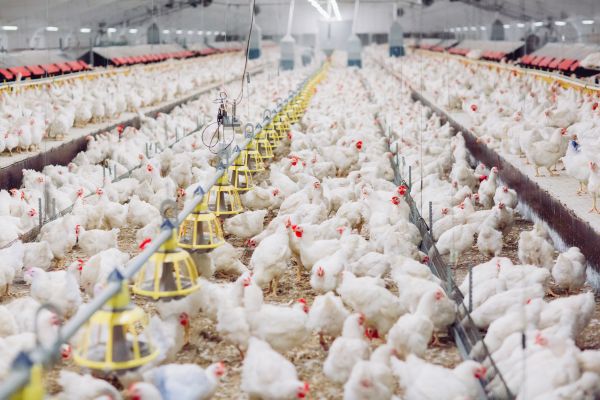
Factory farming has become one of the defining features of modern food production. It supplies vast quantities of meat, dairy, and eggs to a growing population, often at prices that seem surprisingly low. Yet behind that efficiency is a system built around speed, scale, and tightly controlled environments. Animals are frequently raised in conditions designed to maximise output rather than support natural behaviour or long-term wellbeing.
For many consumers, factory farming remains largely invisible. Meat arrives neatly packaged, eggs sit in identical cartons, and milk appears far removed from the animals that produced it. This distance makes the system easy to overlook. Still, its consequences reach far beyond the farm itself, affecting animal welfare, public health, rural communities, and the environment.
Understanding factory farming means looking closely at both its practical purpose and the ethical questions it raises.
What Factory Farming Actually Means
Factory farming refers to the intensive production of animals in large, highly managed facilities. Instead of allowing animals to roam freely over wide areas, the system keeps large numbers of them in confined spaces where feeding, breeding, movement, and growth can be closely controlled.
The main goal is efficiency. Animals are often bred to grow quickly, produce more milk, lay more eggs, or reach market weight in less time. Housing, lighting, feeding schedules, and temperature may all be managed to encourage consistent production.
Supporters of intensive farming argue that it helps meet high consumer demand while keeping food affordable. That is partly why the system has expanded so widely. However, efficiency is not a neutral idea. When animals are treated primarily as production units, their physical and emotional needs can become secondary.
The central debate is not only about how much food a farm can produce. It is about what should be considered acceptable in the process.
Confinement and the Loss of Natural Behaviour
One of the most serious animal welfare concerns in factory farming is extreme confinement.
Many animals spend most or all of their lives indoors. Some are kept in spaces so restricted that turning around, stretching fully, walking, nesting, grazing, or exploring becomes difficult or impossible. These conditions may prevent injuries caused by fighting or uncontrolled movement, but they also remove basic forms of natural behaviour.
Pigs are intelligent, social animals that naturally root in soil, investigate their surroundings, and build nests before giving birth. Chickens scratch the ground, dust-bathe, perch, and search for food. Cattle graze, move in groups, and form social bonds.
When animals cannot express these behaviours, stress may appear in less obvious ways. Repetitive movements, aggression, feather pecking, bar biting, and withdrawal can all suggest frustration or poor mental wellbeing.
An animal may be alive, fed, and physically contained without truly living in a way that reflects its nature. This is one of the hardest realities at the centre of the factory farming debate.
Selective Breeding and Physical Strain
Modern farm animals have been selectively bred for productivity. Chickens may grow much faster than earlier breeds. Dairy cows may produce far more milk than their bodies would naturally generate. Egg-laying hens may produce eggs at a rate that places constant demand on their systems.
These changes have increased output, but they can also create physical strain.
Fast-growing chickens may develop leg problems because their bodies gain weight more quickly than their bones and joints can comfortably support. Some experience difficulty walking or reaching food and water. Dairy cows can suffer from lameness, udder infections, and exhaustion linked to repeated production cycles.
Selective breeding is not automatically cruel. Humans have bred animals for particular traits for centuries. The welfare problem appears when productivity becomes so extreme that an animal’s body struggles to cope with the demands placed upon it.
A system may appear efficient on paper while producing animals that are uncomfortable simply because of the way they have been designed to grow.
Routine Procedures and Pain Management
Factory farming often relies on routine physical procedures intended to make large-scale management easier.
Animals may have beaks trimmed, tails shortened, horns removed, teeth clipped, or male reproductive organs removed. These procedures are usually performed to reduce fighting, prevent injuries, or make handling more practical in crowded environments.
The welfare concern is that some of these procedures may be carried out with limited pain relief, particularly when animals are very young. Even when the procedure is brief, the discomfort may continue afterward.
There is also a deeper question. If animals require physical alteration to tolerate the environment in which they are kept, perhaps the problem is not the animal but the environment.
Reducing pain during necessary procedures is important, but redesigning farming systems to reduce the need for those procedures may offer a more meaningful solution.
Crowding, Disease, and Antibiotic Use
Keeping many animals close together creates conditions in which disease can spread quickly. Poor ventilation, accumulated waste, physical stress, and limited movement can weaken animals and make infections more difficult to control.
To manage this risk, intensive farming systems have often depended heavily on medication, including antibiotics. Antibiotics can be essential when animals are genuinely sick, and withholding treatment would itself be a welfare issue. The concern arises when they are used routinely to prevent disease in systems where overcrowding and stress are built into daily life.
Overuse of antibiotics can contribute to antimicrobial resistance, making certain infections harder to treat in both animals and humans. This turns an animal welfare issue into a broader public health concern.
Better hygiene, lower stocking densities, improved ventilation, and healthier breeding choices can reduce dependence on routine medication. These changes may cost more, but they address the cause rather than only controlling the symptoms.
Environmental Consequences Beyond the Farm
Factory farming also has a significant environmental footprint.
Large facilities generate enormous quantities of manure, which must be stored and managed carefully. When waste leaks into soil or waterways, it can pollute drinking water, damage aquatic ecosystems, and create health risks for nearby communities.
Animal agriculture also requires large amounts of feed. Growing crops for livestock uses land, water, fertiliser, and energy. In some regions, forests and natural habitats have been cleared to support grazing or produce animal feed.
Air pollution is another concern. Ammonia, methane, dust, and unpleasant odours can affect both the climate and the quality of life around intensive farms.
These environmental effects are closely connected to animal welfare. A system that concentrates thousands of animals in one place also concentrates waste, emissions, and ecological pressure. The consequences do not remain behind the farm gate.
The Human Cost of Intensive Production
Discussions about factory farming often focus on animals, but workers and rural communities are also part of the story.
Employees may work long hours in physically demanding environments, handling frightened animals, heavy equipment, waste, and repetitive tasks. In slaughter and processing facilities, the pace of production can increase the risk of injury and emotional stress.
Communities near large farms may experience noise, odour, water contamination, heavy traffic, and falling property values. Smaller farms can also struggle to compete with corporations that produce food at a much larger scale.
This does not mean every intensive farm treats workers poorly or harms its neighbours. Conditions vary widely. Still, when low prices depend on pressure throughout the supply chain, the hidden costs are often carried by those with the least power.
Why the Issue Is More Complicated Than It Seems
Factory farming is easy to condemn from a distance, but changing the system is not simple.
Farmers may be tied to contracts, debt, infrastructure, and market expectations. Consumers often say they care about animal welfare, yet many still choose the cheapest products available. Retailers demand consistency, while governments must balance food security, farming livelihoods, public health, and environmental policy.
Higher-welfare systems generally require more space, slower production, better housing, and greater labour. These improvements can raise costs. For low-income families, affordable food is not an abstract concern.
The challenge is to improve welfare without pretending that price, access, and farmer survival do not matter. Lasting change will require action across the entire food system rather than placing responsibility on one group alone.
Moving Toward More Humane Farming
There are practical ways to reduce the harms associated with factory farming.
Improved housing can give animals more room to move and rest comfortably. Enrichment materials can allow pigs to root, chickens to peck, and animals to express more natural behaviours. Better breeding standards can reduce the physical suffering associated with extreme growth or production.
Stronger welfare regulations, transparent inspections, responsible antibiotic policies, and clearer food labelling can also help. Farmers need financial support and realistic transition plans when moving toward higher-welfare systems.
Consumers have influence as well, though individual choices are only part of the solution. Eating less meat, choosing higher-welfare products when possible, reducing food waste, and asking questions about sourcing can gradually reshape demand.
No single change will transform the system overnight. Progress is more likely to come through a combination of policy, farming innovation, business responsibility, and changing public expectations.
Rethinking the True Cost of Cheap Food
Factory farming has made animal products widely available, but low prices do not necessarily reflect the full cost of production. Animal suffering, environmental damage, antibiotic resistance, worker pressure, and community disruption may remain hidden from the price tag.
The debate is not simply about choosing between farmers and animals, or between affordability and ethics. It is about designing a food system that takes all of these concerns seriously.
Animals raised for food may still be part of human society, but that does not remove the responsibility to treat them with care. Efficiency should not require unnecessary suffering, and productivity should not be the only measure of success.
A more thoughtful approach begins by recognising what factory farming asks animals, workers, and the environment to endure. Once those costs are visible, the question becomes harder to avoid: not only how cheaply food can be produced, but how humanely it should be.