
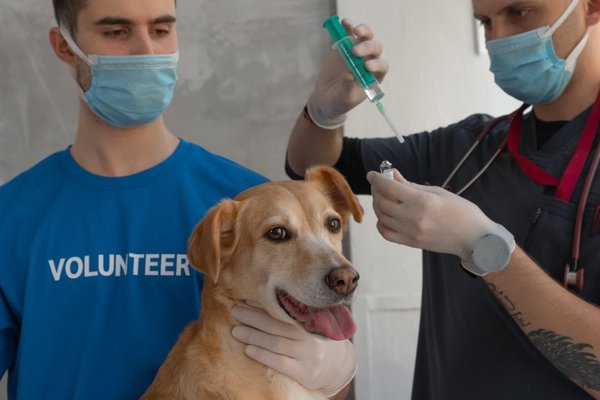
If you’ve just brought home a new puppy, chances are you’ve already typed “puppy vaccination schedule UK” into Google more than once, usually at 11pm while your new arrival is finally asleep. You’re not alone. Every January and September, UK adoption numbers spike as families settle into new routines, and vaccination questions flood in right alongside them. Getting the timing right matters, not just for your puppy’s health, but for when you can actually start taking them out into the world. Here’s the full breakdown, cost included.
Why Puppy Jabs UK Timing Actually Matters
Puppies are born with some natural immunity passed on from their mother, but this fades fast, usually within the first 6 to 8 weeks. Once that protection drops off, your puppy becomes vulnerable to serious, sometimes fatal diseases like parvovirus and distemper. This is exactly why vets in the UK follow a structured vaccination timeline rather than a single one-off jab. Missing the window, or spacing doses incorrectly, can leave gaps in protection at the worst possible time.
The Standard Puppy Vaccination Schedule UK Vets Follow
While every vet practice has slight variations depending on the vaccine brand they stock, most UK clinics follow a very similar core structure for first vaccinations puppy owners need to know about.
First Vaccination: 6 to 8 Weeks
This initial jab typically covers distemper, hepatitis, and parvovirus (often bundled as DHP), along with leptospirosis. Some vets also offer parainfluenza cover at this stage. Your puppy won’t have full protection yet, so this isn’t the moment to start walks or dog park visits.
Second Vaccination: 10 to 12 Weeks
The follow-up dose is what really activates full immunity. Most UK vets recommend waiting at least two weeks after this second jab before your puppy is considered safe for walks in public areas. This is usually why puppies can’t go outside properly until around 12 to 14 weeks old, a detail that catches a lot of new owners off guard.
Optional Kennel Cough Vaccine
If you’re planning on using doggy daycare, boarding kennels, or puppy training classes early on, ask your vet about the kennel cough vaccine. It’s not always included as standard but is highly recommended for social settings, and many UK daycare providers actually require proof of it before accepting a booking.
Puppy Booster Jabs: What Comes Next
Vaccination doesn’t stop after the initial course. Your puppy will need a booster around the 1-year mark, and then typically annual or triennial boosters after that, depending on the vaccine type and your vet’s protocol. Leptospirosis boosters are usually given yearly since immunity for this one fades faster than for other diseases. Don’t skip these appointments once the “cute puppy phase” settles down; boosters are just as important as the original course, and many vets will send reminders, but it’s worth keeping a note yourself too.
Dog Vaccination Cost UK: What to Budget For
Costs vary depending on where you’re based and which practice you use, but as a general guide, UK owners can expect to pay somewhere between £30 and £60 per vaccination visit, meaning the full puppy course (first jab, second jab, and kennel cough if included) often lands somewhere between £80 and £160 in total. Some vet practices offer puppy packages that bundle vaccinations with a first health check and sometimes microchipping, which can work out cheaper than paying for each visit separately. It’s worth phoning a couple of local practices to compare, since pricing isn’t standardised across the UK the way it might be for something like a prescription.
Pet insurance is also worth sorting out early, ideally before or right alongside your first vaccination appointment, since some policies won’t cover pre-existing conditions that develop in the gap before cover starts.
What Happens If You Miss a Dose or Fall Behind Schedule
Life happens, and sometimes appointments get missed or delayed. If your puppy falls behind on their schedule, don’t panic, but do contact your vet as soon as possible. Depending on how much time has passed, they may need to restart the course rather than simply continuing where you left off. This is one of the reasons it’s worth booking your second vaccination appointment at the same time as your first, so it’s already in the diary rather than something you have to remember weeks later.
When Can Your Puppy Finally Go Outside?
This is probably the question new owners ask most. As a general rule, most UK vets advise waiting around 1 to 2 weeks after the second vaccination before allowing walks in public spaces where unvaccinated or unknown dogs may have been. That said, you can (and should) still socialise your puppy safely before this, just in controlled environments: your own garden, a friend’s home with vaccinated pets, or being carried out and about to get used to sounds and sights without paws touching public ground.
Frequently Asked Questions
What is the earliest age a puppy can start their vaccination schedule in the UK?
Most UK vets begin the first round of vaccinations at 6 to 8 weeks old, once maternal immunity naturally starts to fade.
How much do puppy vaccinations cost in the UK?
Typically between £30 and £60 per visit, with the full initial course often totalling £80 to £160 depending on your vet and location.
Can I take my puppy outside before they’ve finished their vaccination course?
You can carry them out for supervised socialisation, but walking on public ground where other dogs have been is generally advised against until 1 to 2 weeks after the second vaccination.
Do puppies need annual booster jabs after the initial course?
Yes. Most dogs need a booster around 12 months old, followed by regular boosters (often annually for leptospirosis) throughout their life to maintain immunity.
Getting your puppy’s vaccination schedule right sets the foundation for a healthy, confident dog, and it’s one less thing to worry about once it’s sorted. Book your appointments early, keep track of dates, and don’t hesitate to ask your vet questions along the way. A few weeks of careful timing now means years of worry-free walks ahead.