
If you love dogs but not the tumbleweeds of fur that can collect on sofas and clothes, a low-shedding breed can make daily life easier. For allergy sufferers, however, the choice needs more care. No dog is completely hypoallergenic because reactions are usually triggered by proteins in dander, saliva and urine rather than hair alone.
The best low shedding dog breeds UK households consider tend to have coats that release less loose hair, but many need regular brushing, clipping or professional grooming. That trade-off matters: less shedding does not always mean less maintenance.
What “low-shedding” really means
Some breeds shed so little that The Royal Kennel Club lists them as non-shedding, while others simply lose less visible hair than heavy double-coated breeds. Curly or continuously growing coats can trap loose hair until it is brushed out, which reduces what lands around the home.
For people searching for hypoallergenic dogs UK families should remember that coat type is only part of the picture. Allergy UK explains that dog allergens are found in dander, saliva and hair, and that there is no truly non-allergenic dog. Spending time with an individual dog before bringing one home is therefore sensible when allergies are a concern.
Poodle
Poodles are among the best-known low-shedding choices and come in Toy, Miniature and Standard sizes. The Royal Kennel Club lists Poodles as non-shedding, making them attractive for homes where loose fur is a major concern.
They are intelligent, active and highly trainable, but their coat needs serious upkeep. Regular brushing and routine clipping are part of ownership. A Toy or Miniature Poodle can suit a smaller home when given enough exercise and mental stimulation, while a Standard Poodle needs more space and activity.
Miniature Schnauzer
The Miniature Schnauzer is a strong option for people who want a small, lively companion with very little shedding. The Royal Kennel Club lists the breed as non-shedding and suitable for a flat or apartment, provided its exercise needs are met.
The wiry coat still needs grooming more than once a week and usually benefits from regular trimming. Miniature Schnauzers are alert and energetic, so they are not simply a decorative lap dog. For an active household wanting one of the best family dog breeds in a smaller package, they can be a good match.
Bichon Frise
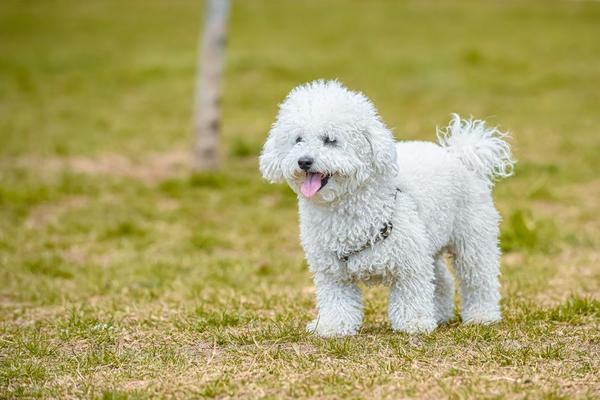
The Bichon Frise is a cheerful small companion with a soft, curly coat that sheds very little. Its friendly, outgoing temperament makes it popular with families, older owners and people living in smaller properties.
The downside is grooming. The coat can mat if neglected, so brushing, trimming and professional grooming are usually required. Anyone searching for low maintenance dog breeds should therefore separate “low shedding” from “low effort”: the Bichon leaves relatively little fur around the house but needs regular coat care.
Bedlington Terrier
The Bedlington Terrier has a distinctive lamb-like appearance and a coat that The Royal Kennel Club lists as non-shedding. It is small enough for many UK homes and typically needs around an hour of exercise a day.
Its terrier background matters. Bedlingtons can be energetic, quick and determined, so they suit owners who want an active dog rather than a quiet ornament. Their coat also needs trimming to keep its characteristic texture and shape.
Portuguese Water Dog
The Portuguese Water Dog is a medium-sized, athletic breed with a non-shedding coat according to The Royal Kennel Club. It was developed as a working dog around fishing boats, so it tends to be energetic, intelligent and happiest with regular activity.
This breed can work well for an active family, but it is not ideal for someone looking for minimal grooming. The coat requires frequent attention, and the breed generally needs more exercise and engagement than smaller companion breeds.
Lagotto Romagnolo
The curly-coated Lagotto Romagnolo is another non-shedding breed recognised by The Royal Kennel Club. Originally used as a water retriever and later as a truffle-hunting dog, it is highly scent-driven and active.
A Lagotto can be a rewarding choice for owners who enjoy walking, training and enrichment games. It is less suitable for a household that wants a very relaxed pet with little daily exercise. The dense coat also needs regular grooming to prevent matting.
Which low-shedding breed suits a flat?
For flats, size alone should not make the decision. A Toy or Miniature Poodle, Miniature Schnauzer or Bichon Frise may be easier to accommodate than a larger working breed, but barking, exercise, toilet access and time left alone also matter.
A practical approach is to picture a normal weekday rather than an ideal weekend. If you can manage two walks, training, grooming and companionship consistently, a more energetic breed may fit. If your schedule is tighter, choose a breed whose exercise and coat-care needs are genuinely realistic.
How to reduce allergens at home
Low shedding may reduce loose hair, but it cannot remove allergy risk. Allergy UK recommends measures such as keeping pets out of bedrooms, washing pet bedding regularly, damp dusting and using a vacuum with a HEPA filter. Grooming by a non-allergic person may also help reduce allergen spread.
If someone in the household has asthma, allergic rhinitis or known dog allergy, discuss the situation with a GP or allergy professional before relying on a breed label. Meeting adult dogs of the breed can also be more informative than assuming a puppy will cause no symptoms.
Do not choose on coat alone
Shedding is only one part of responsible breed selection. Exercise requirements, temperament, size, grooming costs, health testing and the amount of time the dog will spend alone are equally important. A low-shedding dog that does not suit your lifestyle can be far harder to live with than a moderate shedder that does.
When buying a puppy, research breed-specific health tests and use a responsible breeder who prioritises health and temperament.
Frequently asked questions
Are low-shedding dogs completely hypoallergenic?
No. Dog allergy is usually caused by proteins in dander, saliva and urine, so even a dog that sheds very little can trigger symptoms.
Which low-shedding dog is best for a small home?
Toy or Miniature Poodles, Miniature Schnauzers and Bichon Frises can suit smaller homes when their exercise, grooming and companionship needs are met.
Do low-shedding dogs need less grooming?
Often the opposite. Curly and continuously growing coats can need frequent brushing, clipping and professional grooming because loose hair stays trapped in the coat rather than falling out.
Should allergy sufferers meet a dog before adopting?
Yes. Individual reactions vary, so spending time with the specific dog or adult dogs of the same breed can provide useful information before making a long-term commitment.
Choose for the whole lifestyle
Poodles, Miniature Schnauzers, Bichon Frises, Bedlington Terriers, Portuguese Water Dogs and Lagotto Romagnolos all offer very low shedding, but they differ greatly in size, exercise needs and grooming workload. The best choice is the breed whose temperament and daily care fit your household. For allergy sufferers, treat low shedding as one useful factor rather than a guarantee, and plan around allergen management as well as the coat.