
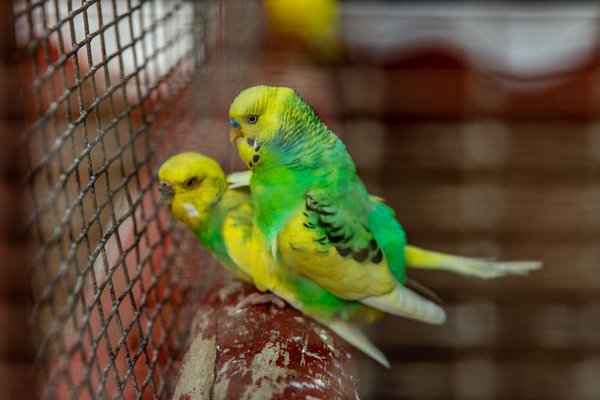
A budgie may fit comfortably in your hands, but its needs extend well beyond a bowl of seed and a small cage. These sociable, active parrots need room to fly, interesting things to investigate, suitable food and a predictable rhythm at home. This budgie care guide for UK owners covers the practical decisions that matter most, including where to place the cage during a chilly winter and how to recognise when a normally lively bird needs help.
Start with a home built for movement
Good budgie housing prioritises horizontal flying space, not just height. Choose the largest secure cage or indoor aviary you can accommodate, with enough clear space for your birds to spread their wings, hop between perches and move without brushing against toys. Narrow, tall cages may look impressive but offer little useful flight room. Bar spacing must be narrow enough to prevent heads becoming trapped.
Fit several natural, bird-safe wooden perches of different diameters. Position them so droppings cannot fall into food or water, and leave an open route through the cage. Avoid sandpaper perch covers, which can damage feet. Add a few shreddable toys, swings or foraging activities, then rotate them instead of overcrowding the space.
Where should a budgie cage go?
Choose a bright, ventilated room where your budgies can observe household life without constant disturbance. Keep the cage away from draughty doors, open windows, radiators, direct midday sunshine and cooking fumes. In a typical UK home, a stable indoor temperature matters more than making the room unusually warm. Avoid scented sprays, candles and smoke; overheated non-stick cookware can release fumes dangerous to birds.
Place one side of the cage against a wall for security, and provide a quiet sleeping area away from late-night television or foot traffic. A detailed budgie cage setup checklist can help you plan equipment before bringing birds home.
What should budgies eat?
A seed-only menu is not balanced budgie care. The RSPCA recommends a varied diet built around suitable complete pellets and fresh vegetables, with a small amount of seed for budgerigars. Ask an avian vet about the right proportions for your bird, particularly if it is young, overweight or already eating mostly seed. Never remove familiar food abruptly: a budgie may refuse an unfamiliar replacement and go hungry.
Offer washed, finely chopped vegetables such as broccoli, carrot, leafy greens and peas. Small pieces of suitable fruit can be an occasional extra rather than a daily sweet treat. Fresh drinking water should always be available, and bowls need cleaning every day. Remove uneaten fresh food before it spoils.
Avocado is toxic to birds. Also keep chocolate, alcohol, caffeine and salty or heavily seasoned human foods off the menu. Millet can be useful as a tiny training reward, not a substitute for a balanced meal. A budgie-safe vegetables guide makes a handy reference when shopping.
Helping a seed-loving budgie try new food
Imagine a new budgie that ignores broccoli while enthusiastically sorting through its seed bowl. Try clipping a small, freshly washed floret beside a favourite perch in the morning, when the bird is naturally curious. Repeat calmly over several days; some budgies need many introductions. Ask an avian vet to guide any major diet change, and monitor weight on a gram-accurate scale rather than assuming the bird is eating enough.
A realistic budgie daily routine
Caring for budgies becomes easier when feeding, exercise and rest happen at broadly consistent times. Your timetable can suit work or school, provided the birds are not left without companionship, stimulation or safe opportunities to fly.
Morning: water, breakfast and a quick health check
Replace drinking water, offer fresh food and inspect the cage floor. Notice whether each budgie is alert, standing comfortably, breathing quietly and passing droppings that look normal for that bird. Remove yesterday’s fresh food and wipe dirty surfaces before the day gets busy.
Daytime: flight, play and company
Budgies need daily free flight in a spacious, bird-proof room or suitable aviary. Close windows and doors, cover mirrors or large panes where necessary, switch off ceiling fans, and keep cats and dogs elsewhere. Supervise flight time until your birds confidently return to their cage. Offer safe chewing toys, simple foraging games and short, reward-based step-up training sessions.
Evening: a predictable wind-down
Check food and water again, tidy obvious mess and let your birds settle as the household becomes quieter. Aim for roughly 10–12 hours of uninterrupted darkness and rest, adjusting to your birds’ needs. Avoid moving the cage repeatedly or leaving bright lights and loud music on overnight.
Do budgies need another budgie?
Budgies are flock animals, and compatible budgie companions generally offer social interaction that people cannot provide all day. A well-matched pair can chatter, groom and explore together. Introductions should be gradual, with veterinary guidance on quarantine and separate accommodation for newcomers before contact. Do not simply put an unfamiliar bird into an occupied cage.
Cleaning and routine health care
Replace soiled cage liners, wash feeding dishes and spot-clean droppings daily. Give perches, toys and the cage a more thorough clean regularly using bird-safe products, then rinse and dry surfaces properly. Offer a shallow bathing dish or gentle mist if your budgies enjoy it, without forcing them.
Arrange an introductory appointment with an avian-experienced vet and keep their emergency number accessible. Birds often conceal illness. Fluffed-up inactivity, sitting on the cage floor, reduced appetite, changed droppings, tail bobbing or open-mouth breathing deserve urgent veterinary advice. Breathing difficulty is an emergency. A signs of illness in budgies guide can help you notice changes, but should never delay a vet visit.
Frequently asked questions
Are budgies good pets for beginners in the UK?
They can be rewarding first birds for owners prepared to provide daily flight, a suitable diet, companionship and veterinary care. They are not low-maintenance cage ornaments, and their needs continue during holidays and busy weeks.
Can budgies live outdoors in the UK?
Only in a properly designed, predator-proof aviary with appropriate shelter, weather protection and a safe management plan. An ordinary indoor cage placed outside is not suitable year-round, especially during cold, wet or windy weather.
How often should I let my budgie out of its cage?
Provide safe flying opportunities every day. The precise schedule depends on the aviary or cage size, the bird’s confidence and the room available. More usable flight space and regular exercise are better than occasional long sessions.
How do I know my budgie is happy?
Comfortable birds often explore, preen, chatter, forage and interact with companions. Judge wellbeing over time rather than from one sound or posture. Persistent silence, withdrawal or sudden behavioural changes can signal stress or illness.
Building good habits from day one
The most useful budgie care guide is one you can put into practice every morning. Start with a roomy, secure home, balanced meals, clean water and daily flight, then build trust at your bird’s pace. Small routines, consistently followed, are what make caring for budgies safer and more enjoyable for everyone in the household.