
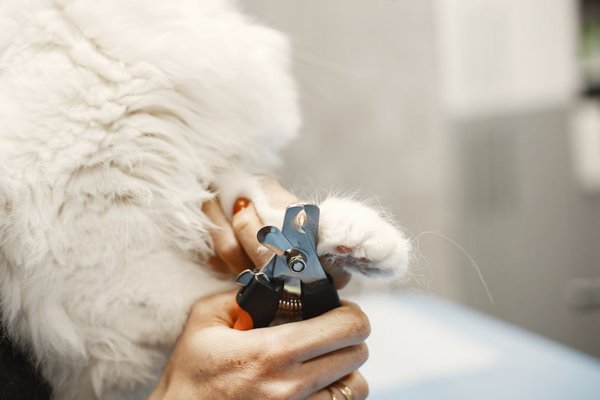
Trimming a cat’s claws can look intimidating the first time, especially when you can see the sensitive quick inside the nail. Done carefully, though, cat nail trimming is a practical grooming skill that can make daily care easier. Regular trims blunt sharp hooks that can snag on fabric, reduce accidental scratches, and help you notice cracked or overgrown claws before they become a problem.
The goal is not to finish every paw in one sitting. A calm two-claw trim is better than a stressful full manicure. With suitable cat nail clippers, good lighting, and patient handling, most owners can learn to clip cat claws safely at home.
What You Need Before You Start
Use clippers made for cats or small pets. Scissor-style and guillotine-style tools can both work, but choose one that feels easy to control and makes a clean cut. Keep styptic powder nearby in case you accidentally nick the quick. A towel, a few treats, and a bright lamp can also help.
Pick a quiet room and a time when your cat is already relaxed, such as after a meal or play session. If your cat is new to paw handling, spend a few days simply touching the legs and paws, gently pressing a toe pad to extend a claw, then rewarding calm behavior.
Where to Cut a Cat’s Claw
A cat’s claw has a hard outer nail surrounding living tissue called the quick. In pale claws, the quick is usually visible as a pink area inside the nail. It contains blood vessels and nerves, so cutting into it causes pain and bleeding. The safe trimming zone is the sharp, curved tip beyond the quick.
Do not try to remove a large section of nail. The aim is to take off the pointed hook, not shorten the claw as far as possible. If the claws are dark and the quick is difficult to see, trim only a very small amount at a time. If you cannot identify a safe cutting point, ask your veterinarian or a professional groomer to demonstrate the technique.
How to Trim Cat Claws Step by Step
Settle Your Cat Comfortably
Let your cat sit on your lap, beside you, or on a stable surface, depending on what feels least restrictive. Many cats do well facing away from the person trimming. Keep your movements slow and your grip gentle rather than pinning the cat in place.
Extend One Claw
Hold the paw lightly and press the toe pad with your thumb while supporting the top of the toe with a finger. The claw should extend. If your cat immediately pulls away, release the paw and try again later rather than turning the session into a restraint battle.
Trim Only the Sharp Tip
Position the clippers on the clear tip, leaving a comfortable margin before the quick. Make one smooth cut, release the toe, and offer a small treat. Continue only while your cat remains relaxed.
A practical approach is to divide the job into short sessions. For example, trim two front claws while your cat is sleepy in the morning, another two later that day, and finish the rest over the next day or two. Your cat still receives complete cat claw care without one long session that becomes progressively harder.
Check the Dewclaws
Remember the dewclaws located higher on the inside of the front legs. Because they may not contact scratching surfaces as much as other claws, they deserve regular inspection. An overgrown claw can curve toward the paw pad, particularly in older or less active cats.
How to Help a Nervous Cat Stay Calm
If your cat dislikes having its paws touched, work on tolerance before trying to complete a trim. Touch one paw briefly, reward, and stop. On another day, press one toe to extend the claw without clipping. You can also let your cat investigate the closed clippers and pair their presence with treats.
Keep sessions short and never punish a cat for resisting. If your cat begins growling, thrashing, biting, or trying hard to escape, end the session. Repeated calm practice is safer than stronger restraint and usually produces better cooperation over time.
How Often Should You Check and Trim Cat Claws?
Check the claws regularly instead of relying only on a fixed calendar. For many cats, trimming about every two to three weeks keeps the tips reasonably blunt, although growth rate, age, activity, and scratching habits vary. Some cats may need more frequent attention, while others wear the tips more effectively.
Weekly checks are especially useful for senior cats, cats with mobility problems, and cats whose claws tend to snag. Scratching posts support normal scratching behavior and help cats shed old claw sheaths, but they do not always remove the need for trimming.
What to Do If You Cut the Quick
If you accidentally cut into the quick, stay calm. Apply styptic powder to the nail tip and gentle pressure, then keep your cat quiet while you check that the bleeding is stopping. If bleeding continues, is heavy, or you are concerned about the injury, contact a veterinarian.
Do not continue trimming just to finish the job after a quick cut. Give your cat time to settle and rebuild confidence at a later session.
When to Ask a Vet or Groomer for Help
Professional help is safer if your cat cannot be handled without a serious risk of biting or scratching, if a claw is split or embedded in the paw pad, or if you notice swelling, discharge, limping, or obvious pain. A veterinarian can also show you exactly where it is safe to cut on your individual cat.
Frequently Asked Questions
Can I use human nail clippers on a cat?
Cat-specific clippers usually provide better control because they are designed for small curved claws. Human clippers can crush or split a claw if positioned poorly, so purpose-made clippers are generally easier to use.
How much of a cat’s claw should I cut off?
Trim only the sharp tip and stay well away from the quick. With pale claws, use the visible pink tissue as your warning zone. With dark claws, remove tiny amounts rather than making one deep cut.
Do indoor cats still need nail trimming?
Many do. Indoor cats may use scratching posts regularly, but sharp tips can still grow long enough to snag fabric or become uncomfortable. Regular checks tell you whether trimming is needed.
Should I trim all of my cat’s claws in one sitting?
No. If your cat becomes tense after one or two claws, stop. Short, positive sessions are often the most practical way to build long-term cooperation.
A Safer Routine Gets Easier With Practice
Learning how to trim cat claws is less about speed and more about good judgment. Use appropriate clippers, cut only the pointed tip, avoid the quick, and let your cat’s comfort determine the length of each session. Once paw handling becomes familiar, nail care often turns into a quick maintenance habit rather than a stressful event. Check the claws regularly, provide suitable scratching surfaces, and ask a veterinarian for help whenever a nail looks abnormal or you are unsure where it is safe to cut.