
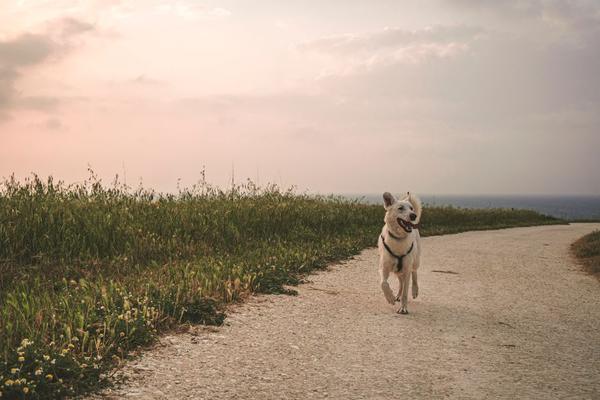
A reliable recall is not built by waiting until your dog is racing towards a squirrel and hoping for the best. It develops through many easy, rewarding returns before freedom is added. For owners who enjoy UK parks, woodland and countryside walks, recall is both a safety skill and a way to give a dog more choice without losing control.
Start With Management, Not a Test
If your dog won’t come back reliably, avoid giving them chances to ignore the cue. Every dash towards another dog, picnic or rabbit can reward the behaviour you are trying to change. Use a secure field, enclosed garden or a long training line attached to a well-fitted harness while you build the skill.
A long line provides room to explore without allowing your dog to disappear. Keep it clear of legs and avoid sudden jerks. It is a safety net, not a tool for dragging the dog back. Use it in unfenced places until your dog responds reliably around everyday distractions.
Choose a Recall Cue You Can Protect
Pick one short word or whistle signal and use it only when you are ready to reward the return. Common dog recall commands include “come”, “here” and a consistent whistle pattern. The sound matters less than its history. A cue repeated while the dog ignores it soon becomes background noise.
Say the cue once in an upbeat voice, then move away or crouch slightly. When your dog reaches you, gently take hold of their harness or collar before rewarding them. A dog who darts away as soon as you reach for them is not fully recalled.
Build the Behaviour in Small Stages
Stage One: Fast Returns Indoors
Begin in a quiet room from a few steps away. Say the cue once, move backwards and reward your dog as soon as they reach you. Use something they value, such as tiny pieces of chicken, cheese, a favourite toy or a brief game. Practise five repetitions, then stop while enthusiasm is high.
Stage Two: Add Distance Securely
Move to an enclosed outdoor space and gradually increase distance. Let your dog sniff, call once, then reward the turn towards you and the completed return. If the response slows, reduce the distance or improve the reward instead of repeating the cue.
Finish many recalls with a release word such as “go play”. Call, reward, briefly hold the harness, then release your dog to explore again. Returning should not always mean that fun is over.
Stage Three: Use a Long Line Outdoors
Practise in a quiet outdoor location on the long line. Allow natural sniffing, then call when your dog is likely to succeed. Gradually introduce mild distractions, such as a person at a distance or a familiar calm dog.
Change only one difficulty at a time. If you increase distance, keep distractions low. If you move closer to other dogs, stay closer to your dog. Off lead training often stalls when both challenges rise together.
Use Rewards That Compete With the Environment
Dry biscuits may work in the kitchen but lose value beside woodland scents. Match the reward to the challenge. Easy recalls can earn ordinary treats; difficult recalls should produce several excellent treats, an energetic game or permission to return to sniffing.
Never punish a slow return. From the dog’s perspective, the consequence happened when they reached you, so scolding can make the next recall less likely. Clip the lead on calmly and make the following exercise easier.
Practise the Situations That Cause Failure
Dogs do not automatically apply a skill learned at home to a busy park. List the distractions that matter for your dog: runners, footballs, water, squirrels, livestock, unfamiliar dogs or scent trails. Train far enough away that your dog can notice the distraction and still respond.
Imagine your dog spots another dog 40 metres ahead on a woodland path. Rather than waiting for a sprint, call at the first glance, move away and reward heavily. Then create more distance or put the lead on. That early choice is easier to reinforce than interrupting a chase.
Loose lead walking develops attention while your dog is connected to you. It does not replace recall, but makes on-lead and off-lead transitions calmer. Related reading could cover loose lead walking techniques, reading dog body language and safe woodland walks with dogs.
Create an Emergency Recall
An emergency recall is a separate cue reserved for urgent situations. Choose an unusual word or whistle pattern and pair it with exceptional food for several days at home. Give the signal, immediately provide a generous reward and avoid using it for routine requests.
Know When Your Dog Is Ready
Before unclipping the line, look for consistent success rather than one excellent session. Your dog should return promptly in several locations, respond while sniffing, allow you to hold the harness and cope with moderate distractions. Regular voluntary check-ins are another positive sign.
Even a well-trained dog should remain on lead where signs require it, near roads, around livestock, or where wildlife and visitors could be disturbed. The Countryside Code advises keeping dogs under effective control and in sight. On open access land in England and Wales, seasonal and livestock-related lead rules may apply, so read local signs.
Common Recall Mistakes
Calling repeatedly teaches the dog that the first cue is optional. Calling only to end walks makes returning disappointing. Advancing too quickly creates failure, while low-value rewards in exciting places give the environment the better offer. Chasing a reluctant dog can also turn avoidance into a game.
If a session goes badly, stop testing. Reattach the long line, move farther from the distraction and reward simpler responses. New environments and high excitement can temporarily reduce reliability.
Frequently Asked Questions
How long does recall training take?
Many dogs improve within a few weeks, but reliable recall around real distractions often takes months of consistent practice. Age, previous learning, temperament and the environment all affect progress.
What should I do when my dog ignores the cue?
Do not repeat it. Use the long line to prevent escape, move away encouragingly and reward when your dog reaches you. Make the next repetition easier by reducing distance or distraction.
Is a whistle better than a spoken command?
Either can work. A whistle carries well outdoors and sounds consistent between family members, while a spoken cue is always available. Choose one signal, avoid overusing it and build a strong reward history.
Can every dog eventually walk off lead?
Not every dog is suited to unrestricted off-lead walking in every setting. Strong predatory behaviour, fear, health issues or poor impulse control may require long-term use of a secure field or long line. Safe management is not a training failure.
Make Coming Back the Best Choice
Reliable recall grows from clear cues, sensible management and rewards that matter to your dog. Start in easy places, add distractions gradually and use a long line until success is consistent. Keep practising throughout your dog’s life because recall is a living skill, not a one-time lesson.
The strongest off-lead partnerships develop when exploring is allowed, checking in is rewarding and returning never leads to anger. That trust makes walks safer, calmer and more enjoyable.