
Wild animals have a way of pulling our attention without trying. A lion resting in golden grass, an owl turning its head in the half-light, a fox slipping between trees, or an elephant standing quietly beside a river can all make us pause for a moment. These creatures are not just beautiful subjects for photos. They are living parts of complex ecosystems, each shaped by instinct, environment, survival, and behavior.
Wild animal profiles help us understand animals beyond their appearance. A good profile is not only about size, diet, or habitat. It also looks at how an animal lives, hunts, communicates, protects itself, raises young, and fits into the natural world. When paired with thoughtful wildlife photography, these profiles become even more powerful. They allow readers to see the animal while also understanding the story behind the image.
What Makes Wild Animal Profiles So Interesting
Wild animal profiles are popular because they bring distant worlds closer. Most people may never walk through an African savanna at sunrise, explore a dense rainforest, or watch wolves move through a snowy forest. Yet through facts, descriptions, and photos, readers can experience a small part of those places.
Every animal has a different rhythm of life. Some depend on speed, others on patience. Some live in groups with complex social bonds, while others survive almost entirely alone. A tiger’s life is very different from a meerkat’s. A bald eagle sees the world from the sky, while a snow leopard blends into mountain cliffs so perfectly that it can seem almost invisible.
This variety is what makes wildlife so fascinating. A simple animal profile can open the door to questions about geography, climate, behavior, evolution, and conservation. It reminds us that nature is not one single story. It is millions of stories happening at once.
Lions: The Social Hunters of the Grasslands
Among the most iconic wild animal profiles, the lion often stands at the center. Known for its strength, mane, and powerful roar, the lion is sometimes called the king of beasts. But what makes lions especially interesting is not only their power. It is their social life.
Unlike most big cats, lions live in groups called prides. A pride usually includes related females, their cubs, and a small number of adult males. The lionesses often do much of the hunting, working together to surround and bring down prey such as zebras, wildebeest, and antelope. Males protect territory and may defend the pride from rival males.
In photos, lions often look calm and royal, especially when resting under the sun. But their daily life is shaped by energy conservation. Hunting takes effort, and success is never guaranteed. This is why lions spend much of the day sleeping or resting, becoming more active during cooler hours.
Elephants: Gentle Giants with Deep Bonds
Elephants are among the most emotionally complex animals in the wild. Their size is impressive, of course, but their intelligence and family structure are even more remarkable. They live in close family groups, usually led by an older female known as the matriarch.
The matriarch plays an important role. She remembers migration routes, water sources, and safe areas. Younger elephants learn from her experience, which can be the difference between survival and danger during dry seasons.
Elephants communicate through sounds, body language, touch, and low-frequency vibrations that can travel over long distances. They are known to show signs of grief, comfort one another, and protect calves with great care.
Photographs of elephants often capture this emotional depth. A calf walking beneath its mother, a herd gathered at a waterhole, or two elephants touching trunks can say a great deal without words.
Tigers: Solitary Power in the Forest
Tigers are built for stealth. Their orange coats with black stripes may seem bright in a photo, but in tall grass and forest shadows, those markings help break up their outline. A tiger can move quietly through dense cover, often unseen until it chooses to reveal itself.
Unlike lions, tigers are mostly solitary. Each adult usually controls its own territory, marking boundaries with scent and scratches. They hunt alone, relying on patience, strength, and surprise. Deer, wild boar, and other medium to large animals make up much of their diet.
A tiger profile often feels mysterious because the animal itself is so elusive. Wildlife photographers may spend days or weeks trying to capture a clear image. That rarity adds to the tiger’s presence. A single photo of a tiger looking through forest leaves can feel intense, almost personal.
Wolves: Teamwork in the Wild
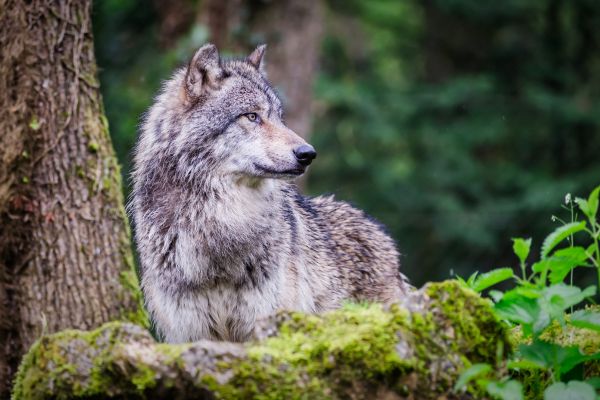
Wolves are often misunderstood, but their lives are deeply organized around family and cooperation. A wolf pack is usually made up of a breeding pair and their offspring. Together, they hunt, raise pups, defend territory, and communicate through howls, scent marks, facial expressions, and body posture.
The howl is one of the most recognizable sounds in the wild. It can help wolves locate one another, strengthen pack bonds, or warn other packs away from their territory. Far from being random noise, it is a meaningful part of wolf communication.
Wolves play an important role in ecosystems by helping control prey populations. Their presence can influence how deer and other animals move and feed, which may affect vegetation and other wildlife. This makes them a powerful example of how one species can shape an entire landscape.
Giraffes: Quiet Watchers of the Savanna
Giraffes are instantly recognizable because of their long necks and towering height. Their height allows them to feed on leaves that many other animals cannot reach, especially from acacia trees. Their long tongues help them pull leaves from thorny branches with surprising skill.
Despite their gentle appearance, giraffes are not helpless. Their kicks can be extremely powerful, and adult giraffes are difficult targets for many predators. Calves, however, are more vulnerable, especially in their early months.
Giraffes are also visually striking in wildlife photography. Their patterned coats, graceful movement, and calm expressions make them a favorite subject. Each giraffe’s pattern is unique, almost like a fingerprint, which adds another interesting detail to their profile.
Snow Leopards: Ghosts of the Mountains
Few wild animals carry as much mystery as the snow leopard. Living in rugged mountain regions, snow leopards are perfectly adapted to cold, rocky environments. Their thick fur, wide paws, long tail, and strong body help them move across steep cliffs and snowy ground.
They are sometimes called ghosts of the mountains because they are so difficult to spot. Their pale gray coat blends beautifully with rocks and snow, making them nearly invisible even when they are close.
Snow leopards mostly hunt wild sheep and goats, using cliffs and ledges to approach prey. Their long tails help with balance and also wrap around their bodies for warmth when resting.
Photos of snow leopards are often rare and dramatic. A snow leopard standing on a ridge or looking down from a rocky slope captures the wildness of remote mountain life.
Owls: Silent Hunters of the Night
Owls bring a different kind of fascination. They are not large like elephants or fierce like tigers, but their silent flight and sharp senses make them extraordinary predators. Many owls are active at night, hunting small mammals, insects, and birds.
Their feathers are designed to reduce sound while flying, allowing them to approach prey quietly. Their large eyes help them see in low light, and their hearing is highly sensitive. Some species can locate prey under leaves or snow simply by sound.
In photos, owls often appear wise or mysterious because of their forward-facing eyes and still posture. But their calm look hides remarkable hunting ability. A good owl profile helps readers understand that these birds are not just symbols of wisdom; they are finely adapted hunters.
Foxes: Clever Survivors in Many Habitats
Foxes are small, quick, and highly adaptable. They can live in forests, grasslands, mountains, deserts, and even near human settlements. Their ability to adjust is one reason they are found in so many parts of the world.
A fox’s diet is flexible. It may eat rodents, birds, insects, fruit, and other available food. This variety helps it survive changing conditions. Foxes are often active at dawn, dusk, or night, moving lightly and listening carefully for prey.
Their expressive faces and bright eyes make them popular in wildlife photography. A fox standing in snow, curled in grass, or carrying food back to its den can feel almost storybook-like. Still, behind that charm is a sharp and practical survivor.
Bears: Strength, Intelligence, and Seasonal Life
Bears are powerful animals, but their profiles are more varied than many people realize. Some bears eat mostly plants, berries, insects, fish, or small animals, depending on the species and location. Brown bears catching salmon, black bears climbing trees, and polar bears moving across sea ice all show different versions of bear life.
Bears are intelligent and curious. They learn from experience and often remember food sources. In colder regions, some species enter a state of winter rest, slowing their bodies to conserve energy when food is scarce.
Wildlife photos of bears can be dramatic, especially when they show movement or behavior: a mother with cubs, a bear fishing in a river, or a polar bear walking across ice. These images often remind us of both the strength and vulnerability of wild animals.
Why Photos Matter in Wild Animal Profiles
Photos bring wild animal profiles to life. Facts help readers understand an animal, but images create an immediate connection. A close-up of an animal’s eyes, a wide shot of its habitat, or a moment of natural behavior can make information feel real.
Good wildlife photography does more than make animals look beautiful. It shows context. A leopard resting in a tree tells us something about safety and hunting strategy. Penguins gathered on ice reveal social behavior and climate conditions. A rhino covered in mud shows how animals use their environment to cool down and protect their skin.
At the same time, ethical photography matters. Wild animals should not be disturbed, chased, or forced into unnatural behavior for a picture. The best wildlife photos respect distance and patience. They show animals as they are, not as humans want them to perform.
The Conservation Story Behind Wildlife
Many wild animal profiles now include conservation status because survival is part of the modern wildlife story. Habitat loss, climate change, illegal hunting, pollution, and conflict with humans affect many species around the world.
Understanding animals can help people care about them in a more thoughtful way. It is easier to value a species when we know how it lives, what it needs, and why it matters. A profile of a tiger is not only about stripes and hunting. It also leads naturally to forests, prey populations, and the pressure of shrinking habitats.
Conservation is not only about saving famous animals. Smaller, less glamorous species also play important roles. Frogs, bats, insects, reptiles, and small mammals all support healthy ecosystems. A complete view of wildlife includes both the well-known and the easily overlooked.
Conclusion
Wild animal profiles give us a closer look at the creatures that share the planet with us. They turn a photo into a story and a fact into something memorable. From lions and elephants to foxes, owls, wolves, and snow leopards, every animal has its own way of surviving, communicating, and shaping the world around it.
The beauty of wildlife is not only in how animals look, but in how they live. Their habits, instincts, families, territories, and struggles all reveal the richness of nature. When we learn about wild animals with curiosity and respect, we begin to see them not as distant subjects, but as living beings connected to places, seasons, and ecosystems.
That is what makes Wild animal profiles so valuable. They invite us to look more carefully, understand more deeply, and remember that the wild world is full of life worth noticing.