
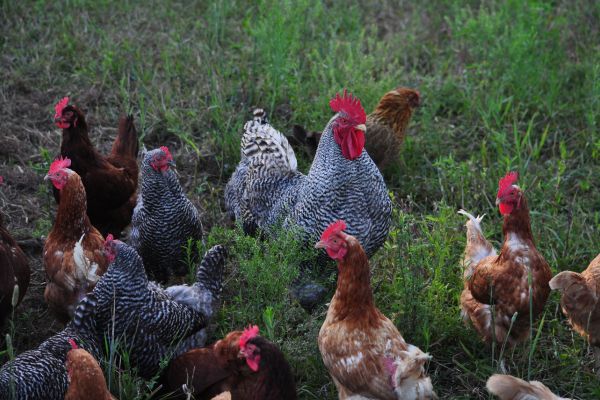
There’s something deeply appealing about the image of chickens wandering across open grass, scratching at the soil, dust bathing under the sun, and returning to the coop at dusk. For many people, free-range chicken farming represents a slower, more thoughtful approach to raising poultry—one that values animal welfare, natural behavior, and a closer connection to food production.
But behind the peaceful image lies a farming method that requires planning, observation, and daily hands-on care. Free-range chicken farming is not simply about letting birds roam outdoors. It involves balancing freedom with protection, maintaining flock health in changing conditions, and creating an environment where chickens can thrive naturally without unnecessary stress.
As interest in sustainable agriculture and backyard food systems continues to grow, more small farmers and hobby keepers are exploring what free-range methods actually involve. The reality is both rewarding and demanding, often in equal measure.
Understanding What Free-Range Really Means
The phrase “free-range” is widely used, but its meaning can vary depending on region, farming standards, and scale of production. At its core, free-range chicken farming refers to poultry systems where birds have regular access to outdoor spaces rather than being confined indoors at all times.
That outdoor access changes chicken behavior almost immediately. Birds begin foraging for insects, nibbling grass, exploring shaded areas, and developing more natural movement patterns. Chickens are curious animals by nature, and open environments allow them to express behaviors that are often limited in enclosed housing systems.
Still, free-range does not mean unmanaged. Birds need shelter, secure fencing, protection from predators, clean water, and nutritional support. A neglected flock roaming freely is not the same thing as a properly managed free-range system.
The best setups create a balance between freedom and structure. Chickens should feel safe enough to explore while still having reliable access to food, shade, nesting areas, and protection from harsh weather.
Choosing the Right Chicken Breeds
Not every chicken breed adapts equally well to outdoor living. Some birds are naturally hardy, active, and skilled at foraging, while others are more dependent on controlled environments.
Traditional heritage breeds often perform particularly well in free-range conditions. Birds like Rhode Island Reds, Plymouth Rocks, Sussex, and Australorps are known for their resilience and calm temperament. They tend to forage enthusiastically and handle fluctuating weather conditions better than some commercial hybrid breeds.
For meat production, slower-growing breeds are generally more suitable for outdoor systems. Fast-growing commercial broilers can struggle with mobility issues when raised for extended periods outdoors, especially in uneven terrain.
Egg-laying breeds, meanwhile, benefit from outdoor activity in several ways. Chickens that roam freely often produce eggs with deeper-colored yolks due to their varied diet of greens and insects. While nutrition still depends heavily on proper feed, outdoor foraging can contribute to overall bird health and egg quality.
Temperament matters too. Aggressive or overly nervous birds can create stress within the flock, especially in open environments where social hierarchy becomes more visible.
Building a Functional Outdoor Environment
A successful free-range system starts with thoughtful land management. Chickens may look independent, but they rely heavily on the environment created for them.
Grass-covered areas are ideal because they encourage natural foraging while helping control mud and waste buildup. Bare soil can quickly become compacted and unhealthy if too many birds are concentrated in one place.
Rotating grazing areas helps maintain healthier ground conditions. Allowing one section of pasture to rest while birds use another prevents excessive wear and reduces parasite risks. Even small backyard setups benefit from occasional rotation.
Shade is equally important. Chickens can overheat surprisingly quickly during hot weather, particularly in humid climates. Trees, shelters, or simple shade cloth structures help birds remain comfortable during the warmest parts of the day.
The coop itself should offer protection from predators and harsh weather without becoming overcrowded. Ventilation matters more than many beginners realize. Poor airflow can contribute to respiratory problems, especially during damp or cold seasons.
Nest boxes should feel quiet and secure, while roosting bars should allow birds to perch comfortably at night. Chickens instinctively seek elevated resting spots because it helps them feel protected.
Feeding Beyond Simple Grain
One common misunderstanding about free-range chicken farming is the belief that outdoor access alone provides complete nutrition. While chickens are excellent foragers, pasture alone rarely supplies everything a flock needs consistently.
Birds still require balanced feed containing appropriate protein, vitamins, minerals, and calcium. Foraging acts more like a supplement to their diet rather than a total replacement.
That said, outdoor access changes feeding patterns. Chickens naturally consume insects, worms, seeds, weeds, and grasses throughout the day. This variety can support digestive health and reduce boredom-related behaviors like feather pecking.
Fresh water must remain constantly available outdoors. During summer, water containers may need refilling multiple times a day because chickens are highly sensitive to dehydration.
Some farmers also scatter small amounts of grains or treats in pasture areas to encourage movement and exploration. It keeps birds active while reinforcing natural scratching behavior.
Seasonal feeding adjustments are often necessary as well. Chickens typically consume more feed during colder months when they need extra energy to maintain body heat.
Managing Predator Risks
Predators are one of the biggest challenges in free-range chicken farming. Open environments expose birds to threats from foxes, hawks, dogs, snakes, raccoons, and other animals depending on the region.
Losses can happen suddenly and repeatedly if protection measures are weak.
Secure fencing forms the first line of defense. Some farmers use electric poultry netting to discourage ground predators, while others rely on fixed perimeter fencing combined with locked coops at night.
Overhead protection is sometimes necessary too, especially in areas with large birds of prey. Trees and covered runs provide chickens with safer places to hide when they sense danger.
Interestingly, chickens themselves develop awareness over time. Experienced flocks often react quickly to warning calls or sudden movements overhead. Still, instinct alone is rarely enough against determined predators.
Guardian animals like dogs are sometimes used on larger farms, though this requires careful training to ensure they protect rather than chase the birds.
Nighttime security matters most. Many predator attacks occur after dark when chickens are roosting and vulnerable.
Health Challenges in Outdoor Systems
Free-range chickens often benefit from increased activity and lower crowding stress, but outdoor living introduces its own health concerns.
Parasites are one of the most common issues. Birds that spend time on soil and pasture are naturally exposed to worms and external pests. Regular observation becomes essential because early signs of illness in chickens can be subtle.
Lethargy, appetite changes, pale combs, abnormal droppings, or isolation from the flock may indicate health problems developing beneath the surface.
Wet conditions can also create foot issues and bacterial growth. Muddy ground around feeders or water stations should be managed carefully to prevent disease buildup.
Biosecurity remains important even in small-scale systems. Wild birds can introduce illnesses to outdoor flocks, especially where feed is left exposed. Clean equipment, controlled visitor access, and proper sanitation help reduce unnecessary risks.
Vaccination practices vary depending on location and flock size, but many experienced poultry keepers maintain preventive health programs rather than waiting for disease outbreaks.
The Rhythm of Daily Care
One of the most overlooked aspects of free-range chicken farming is the consistency it demands. Chickens rely heavily on routine, and their care rarely pauses for weather, holidays, or busy schedules.
Morning often begins with releasing birds from the coop, checking water supplies, observing flock behavior, and collecting eggs. Evening routines usually involve counting birds, securing housing, and checking for signs of injury or stress.
Over time, farmers become familiar with individual personalities within the flock. Some chickens are bold and curious, others cautious and reserved. Changes in behavior often reveal problems before physical symptoms appear.
Free-range systems encourage a more observational style of farming. Instead of monitoring birds solely through production numbers, keepers learn to pay attention to movement patterns, feather condition, vocal sounds, and social interactions.
That daily connection is part of what draws many people toward this style of poultry keeping in the first place.
Weather and Seasonal Adjustments
Outdoor farming changes dramatically with the seasons. Chickens respond to temperature, rainfall, daylight, and wind in ways that affect both health and productivity.
Summer heat can reduce egg production and increase stress levels, especially when shade and airflow are limited. Birds may spend more time resting and less time foraging during extremely hot periods.
Winter brings different challenges. Frozen water, muddy pathways, and reduced pasture quality require constant adjustments. Some flocks tolerate cold remarkably well, particularly when kept dry and protected from drafts.
Rainy seasons can be especially difficult because wet ground encourages parasites and bacterial growth. Rotational grazing becomes even more important under those conditions.
Daylight hours also influence egg production naturally. Many laying hens produce fewer eggs during shorter winter days unless supplemental lighting is introduced.
Experienced free-range farmers learn to work with seasonal rhythms rather than fighting them entirely.
The Human Side of Free-Range Farming
People are often drawn to free-range chicken farming because it feels more personal than industrial agriculture. There’s a visible connection between care, environment, and animal behavior.
At the same time, the work can be emotionally demanding. Illness, predator losses, harsh weather, and unexpected setbacks are part of livestock farming no matter how carefully things are managed.
The rewards tend to come quietly rather than dramatically. A healthy flock dust bathing on a warm afternoon, freshly collected eggs still warm from the nest, or the calm routine of evening chores can create a strong sense of satisfaction.
For some, free-range chicken farming becomes a small household project. For others, it evolves into a serious agricultural venture. Either way, success usually depends less on scale and more on attentiveness, patience, and realistic expectations.
Conclusion
Free-range chicken farming combines practical animal husbandry with a more natural approach to poultry care. It offers chickens space to move, forage, and express instinctive behaviors while giving farmers a more hands-on relationship with their flock and environment.
Yet it is not a simplified or effortless system. Outdoor access brings both benefits and challenges, from healthier movement patterns to increased exposure to predators, weather, and parasites. Managing those variables requires consistency, observation, and adaptability.
What makes free-range farming meaningful for many people is not just the final product, whether eggs or meat, but the process itself. It encourages a slower pace of care, a closer awareness of seasonal rhythms, and a deeper understanding of how animals interact with the land around them.
In the end, successful free-range chicken farming is built on balance—between freedom and protection, productivity and welfare, simplicity and responsibility.