
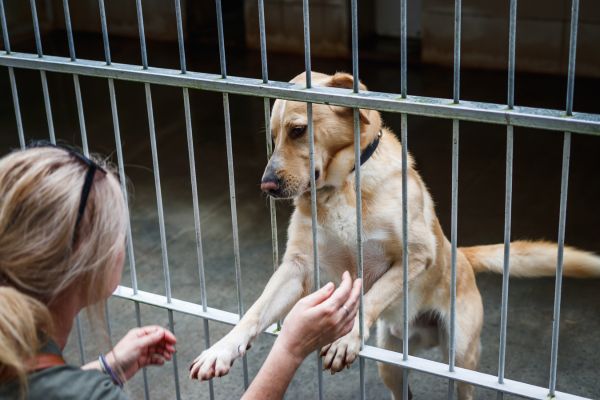
Bringing a pet home from another country sounds romantic at first. You imagine a dog stepping off a plane into a better life, or a shy cat finally finding a quiet window to nap in after months in a shelter abroad. But international pet adoption is rarely simple, and it’s never just paperwork. It’s a mix of emotion, patience, logistics, and responsibility that unfolds over weeks or months, not days.
This international pet adoption guide is designed to walk you through what the process really looks like, beyond the feel-good photos and social media success stories. If you’re considering adopting a pet from overseas, knowing what to expect can help you prepare not only your home, but also your mindset.
Why People Choose International Pet Adoption
Many people are drawn to international adoption because of overcrowded shelters, disaster responses, or cultural differences in animal welfare. In some regions, animals face limited veterinary care, high euthanasia rates, or life on the streets. Adopting internationally can feel like a direct way to help an animal that might otherwise have few options.
There’s also a personal element. Some adopters feel connected to a country they’ve lived in or visited. Others are moved by a specific story or rescue mission. Whatever the reason, international adoption often starts with empathy rather than convenience, which is important to remember as the process unfolds.
Understanding the Legal Landscape
Every international adoption begins and ends with laws. Each country has its own export rules for animals, and each destination country has strict import regulations designed to protect public and animal health.
You’ll likely encounter requirements around vaccinations, microchipping, parasite treatments, and official health certificates. Rabies regulations are especially serious. Some countries require blood tests and waiting periods that can last several months. Skipping or rushing a step can result in quarantine, denied entry, or the animal being sent back.
An international pet adoption guide wouldn’t be complete without stressing this point: paperwork is not a formality. It is the backbone of the entire process, and mistakes can be costly, both financially and emotionally.
Working With Rescues and Adoption Organizations
Most people don’t adopt internationally on their own. They work with rescues or nonprofit organizations that specialize in cross-border adoptions. These groups often coordinate veterinary care, foster placement, and transportation.
A reputable organization will be transparent about timelines, costs, and risks. They won’t promise quick turnarounds or guaranteed outcomes. Instead, they’ll focus on the animal’s welfare and your readiness as an adopter.
It’s normal for communication to feel slow at times, especially when volunteers are managing animals in different time zones. Patience is part of the process. If an organization pressures you to move fast or glosses over potential challenges, that’s a signal to pause and ask questions.
The Real Costs of Adopting Internationally
International pet adoption is rarely inexpensive. Even when adoption fees seem modest, transportation, veterinary work, paperwork, and government fees add up. Flights alone can cost more than many local adoptions.
These expenses aren’t about profit. They reflect the reality of moving a living animal safely across borders. Still, it’s important to be financially prepared, not only for the adoption itself but for unexpected delays or additional medical needs once your pet arrives.
Thinking honestly about costs is part of being a responsible adopter. This isn’t just about saving an animal; it’s about committing to their long-term care.
Preparing Your Home Before Arrival
When a pet travels internationally, everything is new on arrival. New smells, new sounds, new people, and sometimes a new climate. Preparing your home in advance can make this transition gentler.
Quiet spaces matter more than fancy supplies. A calm room, predictable routines, and minimal visitors during the first weeks can help reduce stress. Many internationally adopted pets have experienced instability, even if they were fostered with care.
Expect adjustment, not instant bonding. Some animals settle quickly. Others take weeks or months to feel safe. This isn’t a failure; it’s a normal response to a big life change.
Health Considerations After Arrival
Even with thorough veterinary checks abroad, your pet should see a local veterinarian soon after arrival. This visit isn’t about distrust; it’s about continuity of care.
Different regions have different disease risks, and some conditions don’t show symptoms immediately. A local vet can establish a baseline, review records, and help you plan future care.
It’s also common for pets to experience minor issues related to travel stress, such as digestive upset or fatigue. These usually resolve with time, rest, and a stable environment.
Emotional Adjustment for Both of You
International adoption isn’t just an adjustment for the pet. It can be emotionally intense for adopters too. After months of waiting and paperwork, expectations can run high.
Some people expect gratitude or instant affection. Others worry when a pet hides or seems distant. The truth is, trust builds quietly. A pet who has crossed borders doesn’t owe anyone immediate connection.
Giving yourself permission to feel uncertain, tired, or overwhelmed is important. These feelings don’t mean you made the wrong choice. They mean you’re human, and you’re adapting alongside your new companion.
Cultural and Behavioral Differences
Animals raised in different environments often behave differently from those raised in typical domestic settings. Street-raised dogs may be more independent. Shelter cats may be cautious with handling.
Training, socialization, and routines may look different at first. What matters most is consistency and empathy, not rigid expectations. Over time, many internationally adopted pets show remarkable resilience and adaptability, but they do so on their own timeline.
Ethical Considerations in International Adoption
An honest international pet adoption guide should also acknowledge ethical debates. Some critics argue that resources should stay local, helping animals where adopters live. Others worry about unintentionally supporting irresponsible breeding or rescue practices.
These concerns don’t mean international adoption is wrong. They mean it should be done thoughtfully. Supporting transparent organizations, understanding where animals come from, and avoiding impulse decisions all contribute to more ethical outcomes.
Adoption should never feel like a rescue fantasy. It’s a relationship that requires humility, patience, and respect for the animal’s history.
When International Adoption Makes Sense
International pet adoption isn’t for everyone, and that’s okay. It requires flexibility, financial readiness, and emotional patience. For those who are prepared, it can be deeply meaningful, not because it’s dramatic, but because it’s intentional.
If you’re drawn to the idea after understanding the realities, that’s a good sign. The best adoptions are grounded in knowledge, not urgency.
A Thoughtful Ending to the Journey
An international pet adoption guide can explain procedures and expectations, but the heart of the experience is quieter than that. It’s found in small moments: the first time your pet sleeps deeply, the first tentative tail wag, the slow realization that this unfamiliar place is becoming home.
International adoption is not about saving an animal in a heroic sense. It’s about offering stability, patience, and care across borders. When done thoughtfully, it becomes less about distance traveled and more about the life built afterward, one ordinary day at a time.