
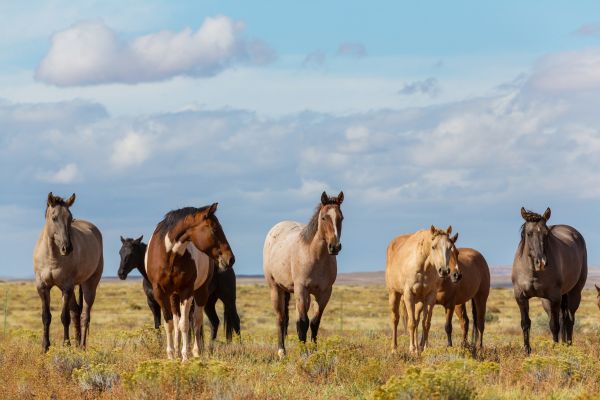
Horse breeding has always carried a mixture of science, tradition, patience, and responsibility. For centuries, people have carefully selected horses for strength, speed, temperament, endurance, movement, and adaptability. Whether the goal was agricultural work, transport, racing, ranch tasks, or sport, breeding shaped the horses we know today.
Modern breeding is more informed than ever. Genetics, veterinary medicine, reproductive technology, and improved welfare standards now guide decisions that were once based mostly on observation and experience. Yet even with these advances, horse breeding remains deeply unpredictable. Nature still has the final say more often than people would like.
Understanding horse breeding practices means looking beyond the idea of simply pairing a mare and stallion. Responsible breeding involves planning, health management, ethical choices, and long-term commitment to both mare and foal.
Why People Breed Horses
Not all breeding goals are the same. Some breeders focus on preserving established bloodlines or rare breeds with historical importance. Others aim to produce horses suited for disciplines such as dressage, racing, eventing, show jumping, endurance, ranch work, or pleasure riding.
Temperament is often just as important as physical ability. A powerful horse with poor trainability may be less desirable than one with balanced movement and a steady mind.
Many thoughtful breeders also prioritize soundness and longevity. Athletic talent matters, but a horse that remains healthy and usable over time offers far greater value in practical terms.
The Foundation of Responsible Breeding
The best horse breeding practices begin with one difficult question: should this horse be bred at all?
Not every mare or stallion should reproduce simply because they can. Responsible breeders evaluate health history, conformation, temperament, genetic risks, performance ability, and overall quality.
Breeding horses with serious hereditary problems, poor soundness, unstable temperament, or chronic health concerns can pass avoidable issues to future generations.
Good breeding starts with restraint as much as ambition.
Choosing the Right Mare
The mare contributes more than genetics. She influences gestation, early development, maternal behavior, and the foal’s first environment.
A breeding mare should ideally be healthy, reproductively sound, and mentally manageable. Her structure, movement, and temperament deserve careful review. Past foaling history may also matter if she has been bred before.
Experienced horse people often say mares stamp offspring strongly. Whether fully true in every case or not, the mare’s importance should never be underestimated.
Selecting a mare thoughtfully is one of the most important breeding decisions made.
Choosing the Right Stallion
Stallion selection often attracts attention because pedigrees and competition records can be impressive. Yet choosing a stallion should involve more than reputation.
A strong match considers compatibility with the mare. If the mare lacks scope, movement, refinement, or certain traits, breeders may look for a stallion that complements rather than duplicates weaknesses.
Temperament matters here too. Brilliant athleticism with difficult behavior may not suit every program.
In modern horse breeding practices, data such as offspring performance, fertility rates, soundness trends, and genetic testing may also influence stallion choice.
Natural Cover and Artificial Insemination
There are different breeding methods depending on breed registry rules, geography, safety, and management preference.
Natural cover involves direct mating between mare and stallion. It remains standard in some sectors, especially where registry rules require it.
Artificial insemination allows semen collection and controlled insemination without direct contact. This can improve safety, expand access to distant stallions, and reduce transport stress.
Fresh, cooled, or frozen semen may be used depending on circumstances. Veterinary timing becomes especially important with these methods.
Both approaches have roles depending on goals and regulations.
Understanding the Mare’s Reproductive Cycle
Timing is central to successful breeding. Mares cycle seasonally, often becoming most reproductively active in longer daylight months.
They move through estrous cycles with periods of receptivity commonly called heat. Ovulation timing affects conception chances significantly, so many breeders work closely with veterinarians to monitor follicles and reproductive readiness.
Ultrasound has transformed this process by allowing more precise decisions.
Rather than guessing, modern breeders often rely on evidence-based timing to improve success rates.
Pregnancy Management and Mare Care
Once a mare is confirmed in foal, management priorities shift toward nutrition, health, and stress reduction.
Pregnant mares generally need balanced feeding, appropriate exercise, routine veterinary care, vaccination planning, parasite control strategies guided by professionals, and safe housing.
Overfeeding can be as problematic as underfeeding. Excess condition may create complications, while poor nutrition can affect mare and foal health.
Throughout pregnancy, careful observation matters. Changes in behavior, appetite, swelling, or discomfort may warrant professional advice.
Foaling Preparation
Foaling season is exciting and nerve-racking, even for experienced breeders.
As due dates approach, many owners prepare clean foaling areas, emergency contacts, monitoring systems, and basic supplies. Knowing signs of approaching labor can help, though mares still manage to surprise people regularly.
Most foalings proceed normally, but complications can become urgent quickly. Delayed delivery, malpresentation, retained placenta, or weakness in the newborn require immediate veterinary attention.
One reason horse breeding practices demand seriousness is that foaling can shift from calm to critical in minutes.
Early Foal Development
The first hours of a foal’s life matter enormously. Standing, nursing, bonding with the mare, and receiving colostrum are key milestones.
After that comes a rapid learning phase. Foals observe, test boundaries, move constantly, and begin social development almost immediately.
Good handling during early life is gentle and thoughtful. Overhandling can be as unhelpful as neglect. Confidence grows through calm, consistent exposure to normal routines.
Nutrition, hoof care, vaccination planning, and gradual weaning later become part of proper young horse management.
Genetics and Long-Term Thinking
Modern breeding increasingly recognizes the importance of genetics beyond visible appearance.
Some hereditary conditions can be screened through testing. While no horse is genetically perfect, informed choices can reduce risk and improve transparency.
Long-term thinking also means asking whether the world needs another horse unless that horse has a realistic chance for a good life, useful purpose, and quality care.
Responsible breeding is not only about producing foals. It is about producing futures.
Welfare and Ethical Considerations
Ethics should sit at the center of horse breeding practices.
Breeding too many horses without homes, prioritizing extreme traits that harm soundness, ignoring mare welfare, or treating foals as commodities creates real problems.
Good breeders plan for veterinary costs, setbacks, unsold offspring, and lifelong responsibility where necessary. They breed with humility, not ego.
The most respected breeding programs often combine ambition with genuine care.
Patience Is Part of the Process
Horse breeding teaches patience repeatedly.
Conception may take time. Pregnancies can be lost. Foals may develop slowly. Promising youngsters may need years before their true potential appears. Even well-bred horses do not always match expectations.
That uncertainty is not failure. It is part of working with living animals rather than manufactured outcomes.
Conclusion
The best horse breeding practices blend science, ethics, horsemanship, and patience. From selecting suitable mares and stallions to managing pregnancy, foaling, and young horse development, every stage carries responsibility. Good breeding is never just about producing a foal—it is about improving welfare, preserving quality, and giving the next generation the best possible start.
In the end, breeding horses should be guided less by prestige and more by stewardship. When done thoughtfully, it can shape sound, capable, kind horses that enrich human life for years to come.