
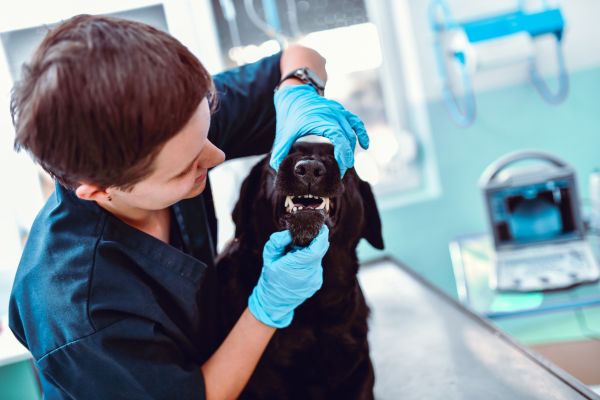
Bringing a pet into your life means accepting a long list of responsibilities. Food, exercise, and companionship all matter, but health care sits near the top of that list. Choosing the right veterinarian is one of the most important decisions a pet owner can make, yet many people don’t give it much thought until an emergency arises.
Learning how to choose a veterinarian before your pet actually needs medical care can save stress, time, and sometimes even lives. A veterinarian isn’t just someone who administers vaccines or treats illness. Over time, they become a trusted partner in your pet’s well-being. The right choice can make routine visits easier and serious health concerns far less overwhelming.
Understanding what to look for—and what questions to ask—can help you find a professional who fits both your pet’s needs and your own expectations as a caregiver.
Why the Right Veterinarian Matters
Veterinary care plays a crucial role in a pet’s quality of life. Regular checkups help detect health issues early, maintain vaccinations, monitor diet and weight, and track changes that might otherwise go unnoticed.
But beyond medical expertise, the relationship between veterinarian, pet, and owner matters deeply. Pets often feel anxious in unfamiliar environments, and a calm, attentive veterinarian can make a huge difference in how they respond to treatment. Meanwhile, owners benefit from a professional who listens carefully and explains things clearly rather than rushing through appointments.
Choosing the right veterinarian also helps build long-term trust. When emergencies or difficult medical decisions arise, having an established relationship with a vet who knows your pet’s history can make a complicated situation far more manageable.
Start Your Search Before You Need It
Many pet owners begin searching for a veterinarian only after their pet becomes sick. That approach often leads to rushed decisions and limited options. Instead, it’s better to begin your search soon after adopting a pet—or even before bringing one home.
Starting early gives you time to research local clinics, compare services, and read reviews without the pressure of a medical emergency. It also allows your pet to meet the veterinarian during routine visits rather than stressful situations.
An early introduction helps animals become familiar with the clinic environment. Pets who associate the veterinarian with calm, routine visits tend to experience less anxiety when future care is needed.
Look for Proper Credentials and Experience
One of the first things to consider when thinking about how to choose a veterinarian is professional qualification. Veterinary medicine requires extensive education and licensing, and reputable clinics will openly display credentials.
A veterinarian should have a Doctor of Veterinary Medicine (DVM) or equivalent degree from an accredited veterinary school. Licensing requirements vary by region, but practicing veterinarians must typically pass national and regional exams to work legally.
Experience also plays a role. Some veterinarians have years of general practice, while others focus on specific animals or specialties such as surgery, dermatology, or exotic pets. If you own a rabbit, reptile, bird, or other nontraditional pet, finding a veterinarian familiar with that species becomes especially important.
Credentials alone don’t tell the whole story, but they provide a solid foundation when evaluating a clinic.
Consider Location and Accessibility
Convenience might seem like a minor detail, but when it comes to veterinary care, accessibility matters more than many people realize. A clinic located far away may discourage routine visits or make emergency situations harder to manage.
Choosing a veterinarian within a reasonable distance of your home can simplify scheduling and reduce travel stress for your pet. Animals often experience anxiety during car rides, so shorter travel times can make the entire experience easier.
Accessibility also includes clinic hours. Some veterinary practices offer evening or weekend appointments, which can be helpful for owners with busy schedules. Emergency availability is another factor worth considering, especially if your pet develops sudden health issues outside standard office hours.
Observe the Clinic Environment
The condition of a veterinary clinic often reflects the overall quality of care. A well-organized, clean environment suggests attention to hygiene and professionalism.
During your first visit—or even when stopping by to inquire about services—take note of the surroundings. Waiting areas should appear tidy and reasonably calm. Exam rooms should look clean and properly equipped.
Staff behavior also provides important clues. Friendly, respectful staff members who answer questions patiently often indicate a practice that values communication and client relationships.
Pets can sense tension or discomfort quickly. Clinics that maintain a calm atmosphere generally help animals feel safer during visits.
Pay Attention to Communication Style
Veterinary medicine involves complex medical topics, and good communication helps pet owners understand their options. A veterinarian who explains conditions, treatments, and preventive care clearly can make a huge difference in the overall experience.
When evaluating how to choose a veterinarian, pay attention to how the vet interacts with both you and your pet. Do they take time to listen to concerns? Do they answer questions thoroughly without sounding rushed?
Some veterinarians prefer straightforward explanations, while others take a more conversational approach. What matters most is whether you feel comfortable asking questions and discussing your pet’s health openly.
Clear communication helps build trust, and trust is essential when making decisions about medical treatments.
Ask About Preventive Care Philosophy
Veterinary medicine has shifted significantly toward preventive care over the past few decades. Rather than focusing only on illness, many veterinarians emphasize maintaining long-term health through regular monitoring and lifestyle guidance.
During early visits, it’s helpful to ask about the clinic’s approach to preventive care. This may include vaccination schedules, parasite prevention, dental care, nutrition advice, and routine wellness exams.
A veterinarian who prioritizes prevention often helps reduce the likelihood of serious health issues later on. They may also encourage discussions about diet, exercise, and behavioral changes that affect a pet’s overall well-being.
Preventive care isn’t just about avoiding illness—it’s about helping pets live longer, healthier lives.
Understand Emergency and After-Hours Care
Even healthy pets can face sudden emergencies. Injuries, poisoning, or unexpected illness may occur outside normal clinic hours.
While researching how to choose a veterinarian, ask about emergency procedures. Some clinics provide 24-hour services, while others partner with nearby emergency hospitals.
Knowing where to go before an emergency happens can save precious time during a stressful situation. Many pet owners keep emergency contact numbers stored in their phones or posted somewhere visible at home.
Preparation doesn’t eliminate emergencies, but it can make them easier to handle.
Trust Your Instincts as a Pet Owner
Facts and credentials matter, but personal comfort matters too. Veterinary care is a partnership, and the relationship should feel supportive rather than intimidating.
During visits, notice how your pet reacts to the veterinarian and staff. Some animals warm up quickly, while others take time, but a calm and patient approach from the clinic team often helps.
Likewise, consider your own instincts. If something feels rushed or uncomfortable, it’s reasonable to explore other options. Veterinary care involves ongoing interaction, and feeling confident in the relationship makes the experience far more positive.
Sometimes the best indicator is simply whether you leave the clinic feeling reassured rather than uncertain.
The Value of Building a Long-Term Relationship
Once you’ve found a veterinarian who meets your expectations, maintaining that relationship benefits both you and your pet. Consistent care allows the veterinarian to track changes in your pet’s health over time.
Long-term relationships also make visits less stressful. Pets become familiar with the clinic environment, and veterinarians gain deeper insight into each animal’s personality, behavior, and medical history.
Over time, this familiarity can improve diagnosis accuracy and treatment planning. What might look like a minor change to a new veterinarian could be significant to someone who has treated the same pet for years.
Consistency builds trust on both sides of the exam table.
Conclusion
Learning how to choose a veterinarian takes time and thoughtful consideration, but the effort pays off in the long run. A skilled and compassionate veterinarian becomes an essential partner in protecting your pet’s health and happiness.
From evaluating credentials and clinic environments to paying attention to communication and preventive care philosophy, each step helps narrow the search for the right fit. The goal isn’t simply to find a nearby clinic—it’s to build a relationship with a professional who understands your pet and supports you as a responsible caregiver.
Pets rely entirely on their owners to make decisions about their well-being. Choosing the right veterinarian is one of the most meaningful ways to honor that responsibility and ensure that your companion receives the care they deserve throughout their life.