
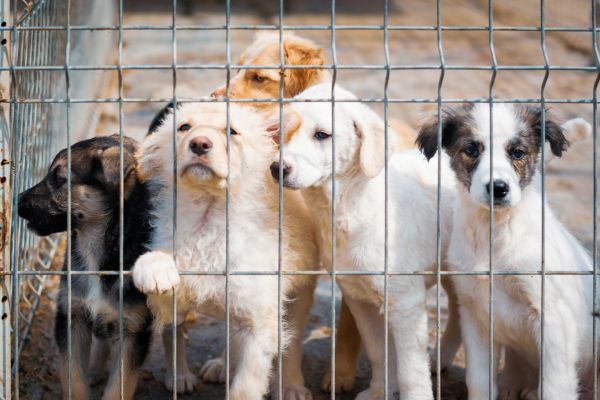
Animal shelters are often seen from the outside as places where lost, abandoned, or unwanted animals wait for a new home. That is true, but it is only a small part of the story. Behind every kennel door, intake form, adoption photo, and wagging tail, there is a busy system of care, decision-making, rescue work, medical treatment, cleaning, training, and emotional patience.
So, how do animal shelters work in real life? The answer is more layered than most people expect. Shelters are not simply buildings filled with dogs and cats. They are community safety nets. They support animals in crisis, help owners who are struggling, reunite lost pets with families, and give many animals a second chance when their first home did not work out.
The First Step Is Animal Intake
Most shelter work begins with intake. This is the process of receiving an animal into the shelter’s care. Animals may arrive in many different ways. Some are brought in by owners who can no longer keep them. Others are found as strays by animal control officers or kind people in the community. Some come from neglect cases, hoarding situations, natural disasters, or transfers from overcrowded shelters.
Intake is not just a matter of opening the door and putting an animal in a cage. Staff need to gather as much information as possible. If the animal has an owner, the shelter may ask about age, behavior, diet, medical history, vaccination records, and whether the pet has lived with children or other animals. If the animal is a stray, workers check for a collar, tag, or microchip.
This first stage matters a lot. The details collected during intake can shape the animal’s care plan, medical treatment, housing arrangement, and future adoption profile. A nervous dog that has never lived indoors may need a very different plan from a calm senior cat whose owner sadly passed away.
Lost Pets Are Checked for Identification
One of the most important jobs shelters do is helping lost pets return home. When a stray animal enters a shelter, staff usually scan for a microchip. A microchip is a small identification device placed under the skin by a vet. If the chip is registered and the contact information is current, the shelter can contact the owner.
Shelters may also post found pets on their websites, social media pages, local lost-and-found pet groups, or community boards. Many areas have a required holding period for stray animals. This gives owners time to find and claim their pets before the animal becomes available for adoption.
This part of shelter work can be emotional. Sometimes a pet is reunited with a family within hours. Other times, the microchip information is outdated, the phone number no longer works, or nobody comes forward. When that happens, the shelter must gently move the animal into the next stage of care.
Medical Checks Come Early
After intake, animals usually receive a health assessment. Shelter staff or veterinary teams look for obvious signs of illness, injury, pain, parasites, skin problems, dental issues, dehydration, or malnutrition. Some animals arrive in fairly good condition. Others need urgent care.
Basic medical work may include vaccinations, flea and tick treatment, deworming, testing for certain diseases, wound care, and medication. Many shelters also spay or neuter animals before adoption, or arrange for it as part of the adoption process. This helps prevent unwanted litters and reduces the number of animals entering shelters in the future.
Medical care in shelters can be challenging because resources are often limited. A private pet owner might be caring for one or two animals. A shelter may be responsible for dozens or even hundreds at the same time. Staff must make careful decisions about priority, comfort, recovery time, and quality of life.
Clean Housing Keeps Animals Safe
A large part of how animal shelters work is not very glamorous: cleaning. Clean kennels, cages, litter boxes, bedding, food bowls, and play areas are essential for animal health. In a shelter environment, germs can spread quickly if hygiene is not handled properly.
Dogs usually need separate kennels with food, water, bedding, and enough space to rest. Cats are often housed in individual enclosures or cat rooms, depending on the shelter setup. Small animals like rabbits, guinea pigs, or birds may need specialized cages and diets.
Cleaning is not just about appearance. It helps control disease, reduces odor, and makes the space less stressful for animals and visitors. Still, shelters are naturally noisy and busy places. A dog barking in one kennel can set off several others. A cat that was relaxed in a home may hide under a blanket for days after arriving. Good shelters try to reduce stress through quiet areas, soft bedding, enrichment, and careful handling.
Behavior Is Observed Over Time
Animals do not always show their true personality right away. A dog may seem wild on the first day because it is frightened. A cat may appear unfriendly simply because it is overwhelmed. Shelter staff and volunteers observe behavior over time to understand each animal better.
They may notice how a dog reacts to people, other dogs, toys, food, handling, and walks. They may watch whether a cat enjoys attention, prefers hiding, or becomes stressed around noise. This information helps match animals with the right adopters.
Behavior work is not about labeling animals as “good” or “bad.” It is about understanding needs. Some dogs need a quiet adult home. Some cats need patience and a slow introduction. Some animals are confident and ready for a busy family. Others need training, routine, or an experienced owner.
This is one reason shelter staff often ask adopters many questions. They are not trying to make the process difficult. They are trying to prevent mismatches that could lead to the animal being returned.
Daily Care Is a Constant Routine
Behind the scenes, shelter life runs on routine. Animals need feeding, watering, medication, cleaning, exercise, social time, record updates, laundry, and monitoring every day. There are no days off for the animals. Holidays, storms, staff shortages, and busy weekends do not stop the work.
Dogs need walks or outdoor time. Cats need litter boxes cleaned and space to stretch or play. Puppies and kittens may need extra feeding and warmth. Sick animals may need medication at specific times. Senior pets may need softer food, gentle handling, or pain management.
Volunteers often help with these tasks. They may walk dogs, socialize cats, wash blankets, take photos, assist with adoption events, or provide foster care. In many shelters, volunteers are not just helpful; they are essential.
Foster Homes Extend Shelter Capacity
Many shelters rely on foster homes. A foster home is a temporary home where an animal stays until it is ready for adoption or until space opens at the shelter. Fostering can be especially helpful for very young kittens, nursing mothers, injured animals, scared pets, or animals that do poorly in a kennel environment.
A foster home gives the animal a quieter, more natural setting. It also gives the shelter more information about how the pet behaves in a home. Does the dog sleep through the night? Is the cat comfortable around children? Does the puppy need house training? These details can make adoption easier and more successful.
Foster care also increases shelter capacity. When one animal goes into foster care, another animal may be able to enter the shelter and receive help. It is one of the quietest but most powerful parts of the rescue system.
Adoption Is About Matching, Not Just Choosing
When people visit a shelter, they may think adoption is simply choosing the cutest animal. In reality, good adoption programs focus on matching. The goal is not only to get animals out of the shelter quickly. The goal is to place them in homes where they can stay and thrive.
Adoption counselors may ask about lifestyle, home environment, work schedule, pet experience, children, other animals, yard space, and expectations. A high-energy young dog may not be the best fit for someone who wants a calm companion. A shy cat may not enjoy a loud home with constant visitors. A senior pet may be perfect for someone who wants a gentler, quieter friend.
Many shelters also provide adoption support. They may explain how to introduce a new pet, what behavior to expect during the adjustment period, and when to contact a vet or trainer. The first few days after adoption can be confusing for an animal. Patience matters. A shelter pet may need time to understand that it is finally home.
Animal Shelters Also Help People
It is easy to focus only on the animals, but shelters serve people too. They help families search for missing pets. They support owners who are facing hardship. Some shelters offer pet food banks, low-cost vaccination clinics, spay and neuter programs, behavior advice, or temporary help for people in crisis.
Not every person who surrenders a pet is careless. Some are dealing with illness, eviction, financial stress, domestic violence, or the death of a family member. Shelter workers often see people on some of the hardest days of their lives. Compassion is needed on both sides of the counter.
This human side of shelter work is sometimes overlooked. A shelter is part animal care center, part public service, part emotional support system, and part problem-solving hub.
Why Some Shelters Become Overcrowded
Overcrowding is one of the biggest challenges animal shelters face. More animals may come in than go out. Kitten season can fill cat rooms quickly. Economic problems can lead to more owner surrenders. Lack of affordable spay and neuter services can increase unwanted litters. Natural disasters or cruelty cases can bring in many animals at once.
When shelters are overcrowded, everything becomes harder. Staff have less time for each animal. Disease risk increases. Stress rises. Adoption promotions, rescue transfers, foster programs, and community support become even more important.
This is why adopting, fostering, microchipping pets, spaying and neutering, and supporting local shelters can have a real impact. The shelter system works best when the whole community participates.
The Emotional Side of Shelter Work
People who work in animal shelters often love animals deeply, but the work can be emotionally heavy. They see recovery stories, joyful adoptions, and beautiful reunions. They also see neglect, abandonment, illness, and animals that are frightened or confused.
A shelter worker may celebrate a dog finding a home in the morning and comfort a sick cat in the afternoon. They may answer difficult calls, clean endless kennels, and still stop to sit quietly with a scared animal that needs a gentle hand.
This emotional labor is part of the behind-the-scenes reality. Animal shelters run on systems, yes, but also on patience, empathy, and a lot of ordinary people doing difficult work because the animals need someone to show up.
Conclusion
So, how do animal shelters work? They work through a careful mix of intake, medical care, cleaning, behavior observation, daily routines, foster support, adoption matching, and community service. From the outside, a shelter may look like a temporary stop for homeless animals. Inside, it is much more active and complicated than that.
Every animal has a different story. Some are lost and waiting to be found. Some are healing. Some are learning to trust again. Some are simply waiting for the right person to notice them.
Animal shelters are not perfect places, and they are often stretched thin. But at their best, they give animals time, safety, care, and a real chance at a new beginning. Behind the scenes, that work is messy, emotional, practical, and deeply human.